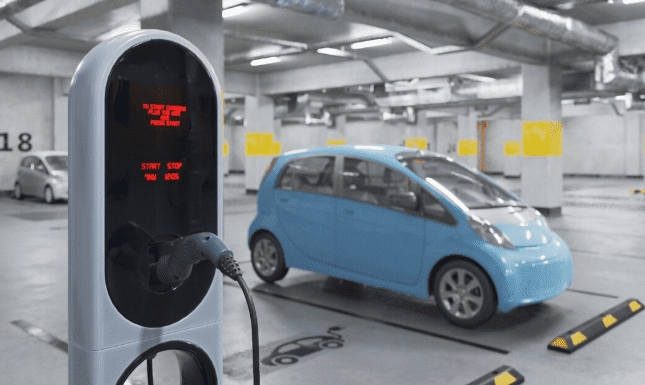
As electric vehicles (EVs) become a mainstream mode of transport in India, the demand for readily available and affordable charging infrastructure is rapidly increasing. Businesses and property owners whether apartments, shopping malls, or office complexes are increasingly considering installing EV chargers to cater to the growing number of EV users. Understanding electric car charging stations cost and the factors that influence it is vital for planning, budgeting, and maximizing returns on investment. A clear picture of the costs involved helps stakeholders make informed decisions about deploying charging infrastructure that is both useful and sustainable. One company delivering tailored EV charger solutions is Electreefi, which offers high-quality EV charger sales and installation support to help properties implement future-ready charging setups.
- What Influences Electric Car Charging Stations Cost?
The cost of setting up electric car charging stations depends on several variables including the type of chargers chosen, the power capacity, site preparation needs, electrical infrastructure upgrades, location, and ongoing support services:
- Charger Type: Basic AC chargers (which are ideal for apartments and workplaces with longer dwell times) cost significantly less than high-capacity DC fast chargers that serve quick-turnaround needs.
- Installation Requirements: Civil works, electrical upgrades, earthing, safety compliance, and utility connections all add to the overall implementation cost.
- Grid Readiness: If the main electrical supply needs enhancement (e.g., transformer upgrades or additional metering), this can impact costs substantially.
- Software and Management: Smart features such as cloud-based monitoring, payment gateways, and load management systems can add to upfront investment but significantly improve usability and future scalability.
These factors mean that the electric car charging stations cost is not fixed; it varies based on project specifications, user expectations, and long-term goals.
- Typical Cost Range for EV Charging Stations in India
Charging infrastructure in India can range from relatively inexpensive for low-capacity setups to more significant investments for public-facing or high-capacity hubs:
- AC Chargers (Slow/Level 2): These chargers, suitable for apartments, offices, and malls where cars remain parked for longer, usually fall in a range of approximately ₹1 lakh to ₹3 lakh for a basic 11 kW–22 kW setup.
- DC Fast Chargers: Faster charging units with 30 kW to 60 kW capacity generally cost between ₹7 lakh and ₹15 lakh or more, depending on capacity and integration requirements.
- High-Power Charging Stations: Ultra-fast chargers (100 kW or more), typically deployed in high-traffic commercial locations or public hubs, can cost ₹20 lakh to ₹40 lakh or beyond.
On average, a multi-charger station with a mix of AC and DC chargers, including installation and basic infrastructure work, can cost anywhere from ₹10 lakh to ₹25 lakh depending on site-specific needs.
- Why Cost Varies by Use Case
Different property types have different usage patterns, which in turn influence the choice of charging solutions and cost:
- Apartments: Residents are likely to charge vehicles overnight, which means slower AC chargers often suffice. The cost here is lower compared to fast DC units, and a smaller number of charging points may be required initially.
- Malls: These locations see medium dwell times (3–5 hours), making a mix of AC and mid-level DC chargers a viable option. Footfall and space availability also drive the number of chargers installed.
- Offices: Corporate offices may install mid-capacity chargers for employee vehicles. Workplace chargers may be subsidized or paid for by organizations that see value in supporting employee EV use.
Each environment has its unique requirements, and choosing the appropriate charger type ensures that the investment aligns with actual usage patterns, reducing under-utilization and unnecessary expense.
- Total Cost of Ownership vs Upfront Price
When evaluating the electric car charging stations cost, it’s important to look beyond the upfront price tag. A well-designed charging setup considers:
- Operational Costs: Electricity supply charges, referral tariffs, and energy management can affect operational expenses.
- Maintenance and Support: Charging stations should be serviced regularly, and solutions with ongoing maintenance agreements can reduce downtime and ensure longevity. Electreefi, for example, provides services that cover operations and maintenance (O&M) to keep stations running reliably.
- Scalability: Choosing modular infrastructure allows properties to start with a few chargers and scale as demand grows, distributing upfront costs over time.
Considering total cost of ownership (TCO) helps in making smarter financial decisions, ensuring that the investment yields value over its lifecycle.
- The Benefits Justifying the Investment
Though the initial electric car charging stations cost can seem significant, the advantages of installing charging infrastructure at apartments, malls, and offices are substantial:
- Enhanced Property Value: EV charging amenities increase a property’s attractiveness to residents, customers, and tenants.
- Customer Footfall: Malls offering reliable EV charging can see extended visitor stay, boosting overall sales.
- Employee Retention: Offices with charging facilities support sustainability goals and offer added perks for staff, improving employee satisfaction.
- Sustainability Credentials: EV infrastructure positions properties as part of India’s broader green transition, aligning with corporate social responsibility (CSR) goals.
These benefits create a strong case for forward-looking properties to invest in EV charging infrastructure today.
- Planning for Electric Mobility of Tomorrow
As India’s EV ecosystem continues to grow, costs are expected to evolve with advancements in technology, greater competition among charger OEMs, and supportive government policies. Current investment in EV charging infrastructure lays the foundation for future-ready properties that can cater to an increasingly electrified mobility landscape. With solutions like those offered by Electreefi covering EV charger sales, installation, and ongoing support property owners can deploy reliable and efficient charging stations backed by comprehensive expertise.
FAQs About EV Charging Station Costs
What factors determine the electric car charging stations cost?
Costs depend on charger type (AC vs DC), power capacity, installation complexity, grid upgrades, site work, and software or management systems.
How much does a typical EV charger cost for apartments?
For apartments, slow to mid-range AC chargers generally cost around ₹1 lakh to ₹3 lakh including installation.
Are DC fast chargers much more expensive?
Yes DC fast chargers with higher power output often range from ₹7 lakh to ₹15 lakh or more, depending on capacity and site requirements.
Do offices and malls need different chargers?
Malls and offices typically install a mix of AC and DC chargers based on dwell time and traffic patterns, which can increase overall charging station cost.
Can installation costs be reduced?
Yes careful planning, site assessment, and modular deployment can help manage upfront costs and align infrastructure with actual usage needs.