
India is witnessing a rapid transformation in the transportation sector as electric vehicles (EVs) become increasingly popular. Rising fuel prices, environmental concerns, and government initiatives are encouraging both consumers and businesses to adopt cleaner mobility solutions. However, the widespread adoption of electric vehicles depends heavily on the availability of reliable charging infrastructure. This is where EV Charging Station Deployment plays a critical role in shaping the future of sustainable mobility in India.
As charging infrastructure expands across cities, highways, and commercial hubs, EV users are gaining the confidence to switch from conventional fuel-powered vehicles to electric alternatives. With support from technology providers and infrastructure specialists like ElectreeFi, businesses and property owners are now able to implement scalable charging solutions that contribute to India’s growing EV ecosystem.
The Rapid Growth of Electric Vehicles in India
Electric vehicle adoption in India has grown significantly in recent years. The country recorded around 1.6 million EV sales in 2023, reflecting a strong year-on-year growth across segments such as two-wheelers, three-wheelers, and passenger cars.
Government initiatives like the FAME (Faster Adoption and Manufacturing of Electric Vehicles) scheme and various state EV policies have provided subsidies, tax incentives, and infrastructure support to encourage EV adoption. These initiatives aim to increase EV penetration by 2030, targeting:
- 30% of private cars
- 70% of commercial vehicles
- 80% of two- and three-wheelers
Such ambitious targets can only be achieved with a strong network of charging infrastructure across the country.
Expansion of Charging Infrastructure Across India
India has seen remarkable growth in public charging infrastructure over the past few years. As of 2025, there are more than 29,000 public EV charging stations operating nationwide, showing how quickly the ecosystem is expanding.
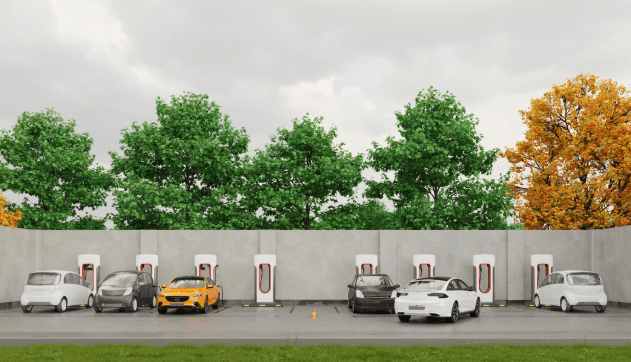
This growth demonstrates how EV Charging Station Deployment is accelerating nationwide to meet rising demand from EV users. Government agencies, private companies, and energy providers are collaborating to install chargers at strategic locations such as:
- Urban commercial centers
- Residential communities
- Highways and transit corridors
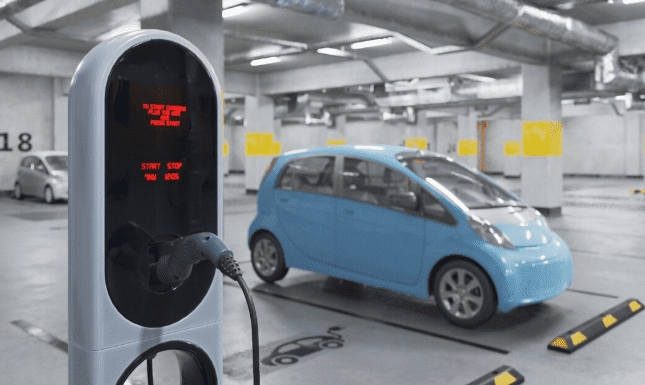
- Parking facilities and office campuses
States like Maharashtra, Delhi, and Karnataka are leading the way by implementing progressive EV policies and encouraging private investment in charging infrastructure.
These developments are creating a robust ecosystem that supports both personal and commercial EV usage.
Reducing Range Anxiety for EV Owners
One of the biggest concerns for potential EV buyers is “range anxiety,” which refers to the fear of running out of battery before reaching a charging point. The expansion of charging networks directly addresses this concern.
With charging stations becoming more accessible, EV owners can now travel longer distances without worrying about battery limitations. Fast charging technology is also improving, allowing vehicles to recharge in significantly less time compared to earlier systems.
When drivers know that charging stations are widely available, they are more likely to consider electric vehicles as a practical option for daily commuting and long-distance travel.
Supporting Sustainable Transportation Goals
Electric vehicles play a vital role in reducing greenhouse gas emissions and improving air quality in urban areas. India, which faces major pollution challenges in many cities, can benefit greatly from widespread EV adoption.
Charging infrastructure enables this transition by supporting clean transportation alternatives. When EVs replace petrol and diesel vehicles, they help reduce carbon emissions and dependence on fossil fuels.
Additionally, many modern charging stations are being integrated with renewable energy sources such as solar power, making the charging process even more sustainable.
Enabling Smart Mobility and Digital Integration
Modern charging infrastructure is not just about providing electricity to vehicles. It is also about integrating digital technologies that enhance the user experience.
Smart charging solutions allow EV users to:
- Locate nearby charging stations through mobile apps
- Monitor charging progress remotely
- Make seamless digital payments
- Optimize charging times based on electricity demand
These features make EV ownership more convenient and accessible for everyday consumers.
Platforms developed by innovative infrastructure providers such as ElectreeFi are helping businesses deploy intelligent charging systems that combine hardware, software, and energy management into one efficient solution.
Opportunities for Businesses and Property Owners
The growth of EV charging infrastructure is creating new business opportunities across multiple sectors. Installing charging stations can provide additional revenue streams and attract more customers.
Some of the key sectors benefiting from charging infrastructure include:
- Commercial buildings
- Shopping malls and retail spaces
- Hotels and hospitality businesses
- Fleet operators and logistics companies
- Residential housing societies
Businesses that invest in EV charging infrastructure today are positioning themselves for the future of mobility. As EV adoption increases, charging stations will become an essential amenity similar to parking spaces or Wi-Fi connectivity.
Government Support and Policy Initiatives
The Indian government has introduced several policies to accelerate EV infrastructure development. These include:
- Financial incentives for installing charging stations
- Reduced GST rates for EV charging equipment
- Public-private partnerships for infrastructure development
- Integration of charging stations along highways
Government support is encouraging companies and investors to participate in building charging networks across the country.
Industry experts estimate that India may require over a million charging stations by 2030 to support projected EV adoption levels.
This highlights the massive opportunity and necessity for continued infrastructure expansion.
The Future of EV Charging in India
The future of electric mobility in India depends on reliable and accessible charging infrastructure. As the number of EVs on the road increases, charging networks must grow at the same pace to support drivers and maintain confidence in electric transportation.
Advancements in fast charging, battery swapping, and smart grid integration will further enhance the EV ecosystem. With continued innovation and collaboration between technology providers, energy companies, and government agencies, India is steadily building a sustainable transportation future.
Companies like ElectreeFi are contributing to this transformation by enabling scalable infrastructure solutions that support the next generation of electric mobility.
In the coming years, widespread charging infrastructure will not only accelerate EV adoption but also reshape how India moves, powers, and sustains its transportation systems.
FAQs
Why is EV charging infrastructure important for electric vehicle adoption?
Charging infrastructure ensures that EV users can easily recharge their vehicles, reducing range anxiety and making electric mobility more practical for daily travel.
How many EV charging stations are available in India?
India has more than 29,000 public EV charging stations as of 2025, and the number continues to grow rapidly as EV adoption increases.
Where are EV charging stations usually installed?
Charging stations are commonly installed in urban areas, highways, shopping malls, office buildings, residential communities, and public parking areas.
Can businesses benefit from installing EV charging stations?
Yes. Businesses can attract more customers, improve sustainability credentials, and create additional revenue streams by offering EV charging services.
What is the future of EV charging infrastructure in India?
India is expected to install hundreds of thousands of charging stations by 2030 to support the rapid growth of electric vehicles across the country.