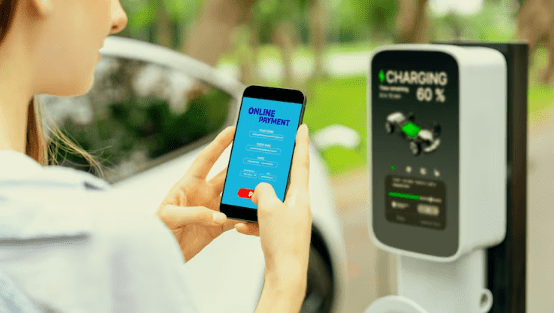

Electric vehicles are no longer a future trend they are mainstream. As EV adoption grows, so does the need for convenient, secure, and efficient payment systems at charging stations. Whether you’re operating a retail parking lot, commercial complex, hotel, or public charging hub, implementing the right EV Charging Payment Solutions is essential to attract drivers, reduce friction, and increase revenue. This step‑by‑step guide walks you through how to plan, deploy, and optimise payment systems that your customers will love.
ElectreeFi has helped businesses across sectors integrate modern EV charging networks, and this guide breaks down actionable steps you can follow to launch payment‑enabled EV charging at your site.
Why Payment Integration Matters
Before diving into the steps, it’s important to understand why payment integration is a must‑have in today’s infrastructure:
- EV drivers expect fast, seamless transactions similar to fuel stations
- Digital payments reduce waiting times and increase station throughput
- Integrated billing enables member programs, RFID access, mobile wallets, and contactless options
- Revenue accuracy and reporting become automated, reducing manual work
With the right solutions, EV charging becomes a valuable service not just a utility.
Step 1: Assess Your Site and Requirements
Start by evaluating your existing location:
- Site type: Public, commercial, private fleet, retail, hospitality
- Number of chargers planned and charger types (AC, DC Fast)
- Network connectivity (Wi‑Fi, Ethernet, Cellular)
- User profiles: Members, one‑time drivers, subscription users
Understanding your use case determines what features your payment system must support. For example, a commuter parking hub might need subscription‑based billing, while a mall charger may prioritize credit card tap‑to‑pay.
This is also the time to explore the broader ev charging solutions ecosystem and determine whether your chargers need hardware upgrades or software integrations.
Step 2: Choose the Right Payment Platform
Your payment platform acts as the bridge between the charger and the customer’s wallet. When choosing a solution, look for:
- Multi‑payment support: Credit/debit, RFID cards, mobile wallets (Apple Pay, Google Pay), QR scanning
- Real‑time transaction processing
- Secure PCI‑compliant payment gateways
- Integration with backend billing and reporting tools
- Support for subscriptions & dynamic pricing
A good platform should allow you to configure pricing per kWh, per minute or flat rates depending on your business model. Many modern providers also offer APIs to connect loyalty programs or third‑party apps.
Step 3: Integrate With Your Charging Network
Once you’ve selected a payment platform, the next step is technical integration with your charging hardware. This typically involves:
- Connecting your chargers to the network
Most commercial chargers support OCPP (Open Charge Point Protocol), allowing them to communicate with central systems. - Deploying middleware
Software that links your charging network with the payment gateway and user apps. - Testing transaction flows
Ensure end‑to‑end testing: from station discovery → selecting charge session → payment → session start → billing receipt.
This phase often benefits from working closely with your payment provider’s technical team to ensure a seamless flow.
Step 4: Set Up User Experience and Interfaces
User experience can make or break adoption. Drivers should be able to:
- Find your charging station easily through apps or website maps
- Pay quickly without confusing menus
- Receive real‑time session updates via SMS or mobile app
- View billing history and receipts
Consider adding features like auto‑start for registered users and notifications when charging is complete. Mobile apps and web portals should be optimized for both Android and iOS users.
Step 5: Implement Security & Compliance
Securing payment systems is essential for trust and compliance. Best practices include:
- PCI DSS compliance for all stored and processed payment data
- Encrypted communication channels (HTTPS, SSL)
- Tokenized payment methods to avoid storing sensitive card data
- Regular security audits and updates
Secure systems reduce chargebacks and build confidence among EV drivers.
Step 6: Launch, Monitor & Optimize
With everything connected, it’s time to go live. But the process doesn’t stop here.
- Monitor transactions to spot issues fast
- Track utilization trends to optimize pricing and capacity
- Gather user feedback to refine interfaces
- Update payment options based on usage analytics
Analytics dashboards help you evaluate performance over time, empowering smarter decisions that increase revenue and satisfaction.
Conclusion
Implementing EV Charging Payment Solutions at your site is a strategic move that enhances user experience, increases revenue, and future‑proofs your infrastructure. By assessing your needs, choosing the right platform, integrating seamlessly, focusing on UX, securing transactions, and continually optimizing operations, you can deliver a charging experience that drivers trust and prefer.
Whether you operate a small charging hub or a large public network, following this step‑by‑step roadmap will help you launch payment‑ready EV charging stations with confidence and efficiency.
Frequently Asked Questions (FAQs)
What types of payment methods should EV charging stations support?
EV charging stations should support credit/debit cards, mobile wallets (Apple Pay, Google Pay), RFID or NFC cards, QR code scanning, and subscription billing options to cater to diverse user preferences.
How do I ensure secure payments at EV charging stations?
Use PCI‑compliant payment gateways, encrypt all data transmissions, tokenize sensitive payment information, and conduct regular security audits to keep transactions safe.
Can I adjust pricing based on demand or time?
Answer: Yes — most modern payment platforms allow dynamic pricing per kWh, per minute, or flat session rates, enabling flexible pricing strategies that boost utilization and revenue.
Do EV Charging Payment Solutions integrate with mobile apps?
Yes, many platforms offer APIs that connect with mobile apps, enabling features like remote session start, notifications, billing history, and easy account management.
What’s the benefit of subscription billing for EV charging?
Subscription billing encourages repeat usage, increases customer loyalty, provides predictable revenue streams, and simplifies payment experiences for frequent users.