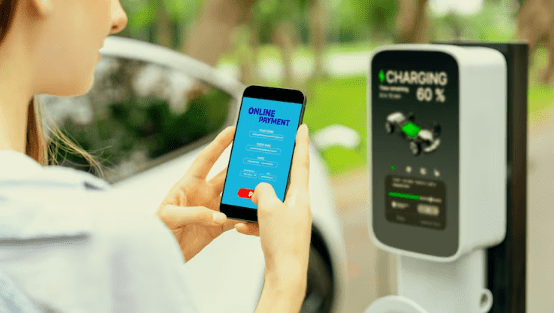
As electric vehicles (EVs) rapidly transform the transportation landscape, the infrastructure that supports them must keep pace. One of the most critical yet often overlooked aspects of an EV charging network is the payment experience. It’s not enough to simply install charging stations; you need a payment system that is fast, secure, and intuitive for users while meeting the operational and financial needs of your network. That’s where EVSE Charging Payment Solutions come into play and choosing the right one will make the difference between a seamless user journey and a clunky, frustrating interaction. For operators building a future-ready charging ecosystem, platforms such as Electreefi provide robust payment capabilities that support diverse business and user expectations.
Why Payment Solutions Matter for EV Charging Networks
At a basic level, payment solutions are how customers pay for their charging sessions. Yet, in a modern charging ecosystem, they are much more than a transactional endpoint they govern user convenience, revenue collection, financial transparency, and scalability. A poorly chosen payment system can lead to missed revenue, dissatisfied customers, and a network that can’t grow effectively. On the other hand, a well-designed solution enhances your brand reputation, encourages repeat usage, and supports operational efficiency.
The core of any good payment system is that it must be secure, flexible, and user-centric. It should also integrate smoothly with your charging hardware and wider management tools so that you can track usage, generate invoices, and settle funds with confidence.
- Support for Diverse Payment Methods
The first step in choosing an EVSE Charging Payment Solutions provider is to ensure it supports multiple payment methods that your customers already use. Today’s EV drivers expect flexibility they don’t want to be forced into a single app or payment type just to charge their vehicle.
Leading systems support:
- UPI and QR-based payments — Popular in markets like India for their speed and simplicity, these allow users to scan a QR code and pay instantly.
- Credit/Debit Card Payments — Card payments offer a universal option that most customers are familiar with.
- Contactless Tap-to-Pay — Contactless or NFC options make payment even quicker at the charging station.
Supporting multiple payment modes not only makes the charging experience smoother but also broadens accessibility from first-time EV drivers to tech-savvy users, everyone benefits from choice.
- Seamless Integration With Charging Management
Payment solutions should not operate in isolation. The best EVSE Charging Payment Solutions integrate fluidly with your charging management system (CMS), giving you a complete picture of operations. When payments link directly with session data, you can track usage patterns, monitor revenues, and generate accurate billing reports without manual reconciliation. This integration reduces errors and administrative effort while giving you real-time financial visibility.
Electreefi’s solutions, for example, tie payment processing closely with charging station operations from session initiation to direct settlement to the Charging Point Operator (CPO).
- Speed, Security, and User Experience
Speed is more than a convenience metric it’s a core element of user satisfaction. EV drivers don’t want to waste time navigating complex menus or waiting for payment authorisation at a public charging station. Look for payment systems with fast processing times, minimal steps between initiating payment and starting the charge session, and strong security measures to protect financial data.
Security isn’t optional. A quality EVSE payment system should use industry-standard encryption, secure authentication, and fraud-prevention tools to protect users and operators alike. This builds trust and reduces the risk of data breaches or unauthorised access to payment information.
- Transparent Billing and Reporting
For network operators, transparent billing isn’t just a nice-to-have it’s essential. A solid payment solution should automatically generate invoices, support tax-compliant receipts, and allow both operators and users to access detailed payment and charging histories.
These features help with customer service (e.g., disputeresolution requests), regulatory compliance, and internal financial audits. The ability to drill down into individual transactions, view total revenues by station or network, or export data for accounting purposes gives your business the clarity it needs to run efficiently.
- Scalability and Future Growth
As the EV ecosystem grows, so will your network’s charging demand. Choose a payment solution that can scale with your business without requiring a complete overhaul every time you add new stations, locations, or services.
Future-ready payment platforms support:
- Multiple stations and charger types — from residential hubs to fast chargers on highways.
- Corporate billing and subscription models — for fleet managers and business users.
- Dynamic pricing or tiered tariffs — enabling flexible billing strategies.
Electreefi’s ecosystem is designed to scale, making it suitable for networks of all sizes from small commercial deployments to sprawling public or enterprise systems.
- Customer Support and Service Continuity
No matter how robust a payment system is, issues can arise whether it’s a failed transaction, a user complaint, or a technical integration challenge. Choosing a provider with strong customer support means you have a partner who helps resolve these issues quickly, ensuring that your charging operations run smoothly and your users stay satisfied.
Good support should include:
- 24×7 technical assistance
- Clear documentation and onboarding guides
- Regular updates and feature improvements
Such services make a tangible difference in network uptime and user confidence.
- Compliance and Local Requirements
Last but not least, make sure the payment solution complies with local financial regulations and data privacy standards. This protects your business, your customers, and your reputation. Whether it’s settlement windows for payments, tax reporting requirements, or how transaction data is stored understanding compliance is key before finalising a payment provider.
Final Thoughts: Benefits That Extend Beyond Transactions
Choosing the right EVSE Charging Payment Solutions is about more than just processing transactions it’s about enhancing the user experience, securing revenue streams, and building a scalable, future-ready charging network. When you prioritise flexibility, integration, security, and support, you create a competitive advantage that drives adoption, loyalty, and operational success.
For EV infrastructure providers eyeing growth, platforms like Electreefi offer comprehensive payment systems that balance user convenience with backend performance helping networks thrive in an increasingly electrified future.
FAQs
What payment options should an EV charging station support?
A robust system should support multiple options including QR/UPI payments, credit/debit cards, and contactless tap-to-pay offering users flexibility and convenience.
How are payments linked with charging sessions?
In integrated solutions, payments are tied directly to session start and end data, enabling seamless billing, invoicing, and revenue tracking for both users and operators.
Why is security important in EV charging payment solutions?
Secure payment systems protect sensitive financial data, prevent fraud, and build user trust essential for public acceptance and smooth network operations.
Can payment solutions scale with my charging network?
Yes. The best solutions are designed to support growing networks, different station types, and advanced billing models like corporate accounts or dynamic tariffs.
What role does customer support play in payment solutions?
Effective support ensures that payment issues, technical glitches, or user queries are resolved promptly helping maintain uptime and positive user experiences.