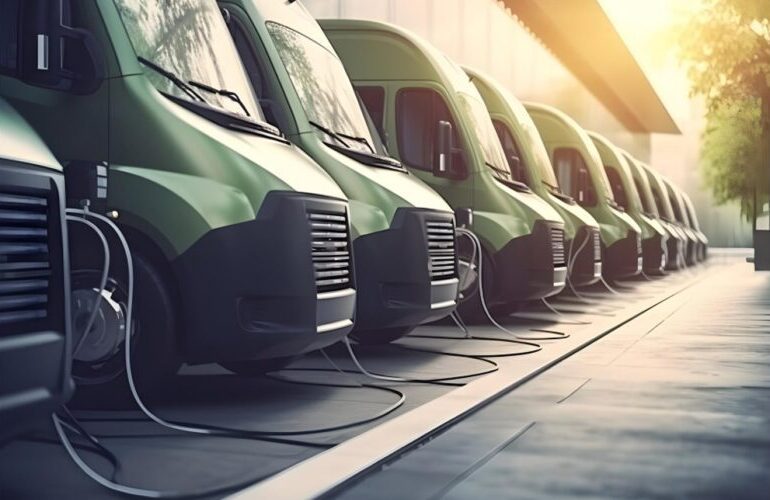
Electric fleets in India are expanding faster than most depots were built to handle. A delivery company that starts with ten electric vans this year often plans for fifty within two years, and that growth puts real pressure on charging infrastructure. Many fleet operators learn how to set up an EV charging station for their current vehicle count, only to find the setup falls apart the moment the fleet doubles. Planning for scale from the first day of deployment saves money, reduces downtime, and keeps drivers on schedule as the business grows.
This guide walks through the practical steps fleet operators and commercial property owners need to build charging infrastructure that grows with demand instead of against it.
Why Fleet Charging Infrastructure Needs to Scale from Day One
Most fleet charging problems do not show up in month one. They show up when vehicle count grows, shifts change, or a new depot opens nearby.
A charging setup built only for today’s fleet size often runs into three issues later. Sanctioned power runs out before the fleet does. Charger types stop matching the mix of vehicles on the road. Manual tracking of sessions and schedules becomes impossible once dozens of vehicles need charging within the same overnight window.
Fleet operators who plan for headroom, both in electrical capacity and in charger count, avoid expensive retrofits later. This is especially true for logistics companies and commercial property owners who lease depot space and cannot easily expand the electrical connection after installation.
How to Set Up an EV Charging Station Step by Step
Setting up charging infrastructure for a fleet involves more decisions than installing a single charger at a home or office.
Assess the site and vehicle mix first. Count current vehicles, expected additions over the next two years, and daily routes. A cab fleet charging overnight has different needs than a delivery fleet charging in short bursts between routes.
Apply for the right electrical load early. DISCOMs process EV load applications separately from standard commercial connections, often at a concessional tariff. Submitting the load application with a single line diagram early in the project avoids delays that push back the entire installation timeline.
Choose chargers that match usage patterns. Vehicles parked for several hours can charge on AC chargers, while vehicles that need a fast turnaround between shifts need DC fast charging. Most fleet depots use a mix of both.
Install a monitoring and management layer. Charger hardware alone cannot tell an operator which vehicle charged, how much energy it used, or whether a charger has gone offline. A software layer closes that gap.
Commission and test before go live. Boot testing, session verification, and electrical safety checks confirm the site is ready before drivers start relying on it daily.
Choosing the Right Charger Mix for a Growing Fleet
The charger mix decision affects both upfront cost and long term flexibility, so it deserves more attention than it usually gets.
AC chargers cost less to install and suit vehicles with longer dwell times, such as employee shuttles or vehicles parked overnight at a depot. DC fast chargers cost more but return a vehicle to full charge in a fraction of the time, which matters for fleets running multiple shifts from the same location.
A common mistake is installing only fast chargers because they sound more capable. In practice, a mixed setup usually delivers better value, since not every vehicle needs a rapid turnaround, and spreading load across AC and DC chargers also helps manage the sanctioned power limit at the site.
Managing Load and Uptime as Your Fleet Expands
Load management becomes critical the moment more than a handful of vehicles charge at the same depot.
Without smart load management, simultaneous charging can trip the sanctioned power limit or trigger demand charges that eat into margins. Smart charging systems balance load across chargers in real time, prioritise vehicles that need to leave soonest, and prevent the site from exceeding its approved capacity.
Uptime matters just as much as capacity. A charger that goes offline overnight can leave a vehicle undercharged for the next day’s route. Fleet operators should look for infrastructure that includes remote monitoring, instant fault alerts, and a support process for fast troubleshooting, since a single failed charger can disrupt an entire day’s dispatch schedule.
Setting Up EV Charging Station Software for Fleet Visibility
Hardware gets a fleet charging, but software is what makes that charging manageable at scale.
A good management platform gives fleet operators live visibility into charger status, session history, and energy consumption per vehicle. It also supports driver authentication through RFID or app based login, so vehicles are matched to the right billing account automatically. For property owners hosting fleet charging on commercial sites, the same software layer tracks usage for accurate billing and reporting.
ElectreeFi’s platform brings this visibility together in one dashboard, using open protocols like OCPP so the system works across charger brands instead of locking operators into a single hardware vendor. That flexibility matters when a fleet expands and needs to add chargers from a different manufacturer without rebuilding the entire backend.
Common Mistakes Fleet Operators Make When Scaling Charging Infrastructure
A few recurring mistakes cause most of the pain fleet operators experience later.
Undersizing the electrical connection is the most common one, since operators often apply for exactly what today’s fleet needs instead of what next year’s fleet will need. Skipping load management is another, particularly at depots where several vehicles plug in at the same time each evening.
Choosing hardware that only works with one software platform also limits future options. Fleet operators who set up EV charging station infrastructure with open, interoperable systems keep the flexibility to add chargers, switch vendors, or expand to new depots without starting over.
Final Thoughts
Scaling a fleet charging setup is less about buying more chargers and more about planning the electrical capacity, charger mix, and software layer together from the start. Fleet operators and commercial property owners who build with headroom avoid the disruption of retrofitting a site mid growth.
If your fleet is outgrowing its current charging setup, a proper site assessment is the right place to start. Contact ElectreeFi’s team to plan a charging infrastructure setup that scales with your fleet instead of holding it back.
Frequently Asked Questions
How much does it cost to set up an EV charging station for a fleet in India?
Fleet charging setup costs vary widely based on vehicle count, charger mix, and site readiness. Depot setups typically range from a few lakhs for a small AC based site to significantly higher for a mixed AC and DC fast charging depot. Site survey, electrical work, and sanctioned load charges add to the base charger cost.
How long does it take to install fleet EV charging infrastructure?
Timelines depend on DISCOM approval for the electrical load, site readiness, and charger availability. Simple AC installations can be completed faster, while depots needing new transformers or higher sanctioned load take longer due to utility approval steps.
Should a fleet depot use AC or DC chargers?
Most fleet depots benefit from a mix. AC chargers suit vehicles parked for several hours, such as overnight depot charging, while DC fast chargers suit vehicles that need a quick turnaround between shifts or routes.
Do fleet operators need government approval to set up charging stations?
EV charging stations are a de-licensed activity in India, so no special licence is required. Operators still need DISCOM approval for the electrical load connection and must follow standard safety and installation guidelines.
Why does a fleet charging site need load management software?
Load management prevents multiple vehicles charging together from exceeding the site’s sanctioned power limit. It also helps prioritise vehicles that need to leave soonest and avoids demand charges that increase operating costs.