Fleet operators across India face a tough question every day. Should the next batch of vehicles run on diesel or electricity? The answer is not always simple, because fleet electrification touches vehicle selection, charging infrastructure, driver training, and long term cost planning at the same time. EV Consulting brings all these moving parts into one clear roadmap, so fleet owners stop guessing and start moving with confidence. This is exactly why more logistics companies, corporate fleets, and public transport agencies are turning to expert guidance before they commit a single rupee to new electric vehicles.
Why Fleet Electrification Feels Complicated in India
Electrifying a fleet is not just about swapping a diesel van for an electric one. Charging infrastructure varies by city. Grid capacity differs from one depot to another. Battery range depends on route length, load, and traffic patterns.
Many fleet managers also struggle to compare vehicle models, charger types, and vendor claims without a technical background. This confusion often delays decisions by months, and every delay adds up in fuel costs and missed sustainability targets.
What EV Consulting Really Solves for Fleet Owners
This consulting process removes the guesswork by studying your actual fleet data before recommending anything. Consultants look at daily mileage, vehicle downtime, depot layout, and power availability. They then translate this data into a practical electrification plan.
A good consulting process also identifies hidden risks early. For example, a depot may need a transformer upgrade before it can support fast chargers. Spotting this issue during planning saves weeks of delay during installation.
Fleet operators who skip this step often buy vehicles first and figure out charging later. This backward approach leads to underused chargers, longer turnaround times, and frustrated drivers.
Building a Charging Infrastructure Plan That Fits Your Fleet
Every fleet has a different charging rhythm. A last mile delivery fleet may need quick top up charging between shifts. A long haul fleet may prefer overnight charging at a central depot.
Consultants map out the right mix of AC and DC chargers based on your route patterns. They also calculate how many charging points your depot actually needs, instead of letting vendors oversell equipment you will never fully use.
Site selection plays a big role too. Placing chargers close to parking bays, with enough space for cable management and driver movement, reduces daily friction and keeps vehicles ready on schedule.
Choosing the Right Vehicles and Technology Partners
Not every electric vehicle on the market suits every fleet. Payload capacity, battery chemistry, and after sales service network all matter more than headline range numbers.
Consultants compare vehicle options against your actual duty cycle. They also evaluate charger manufacturers and software platforms for compatibility, so your fleet is not locked into a single vendor for the next ten years. This kind of open standards approach protects your investment as technology keeps improving.
Managing Costs and ROI During the Transition
Cost is usually the biggest worry for fleet owners moving to electric vehicles. Upfront vehicle prices are higher, but running costs and maintenance are lower over time.
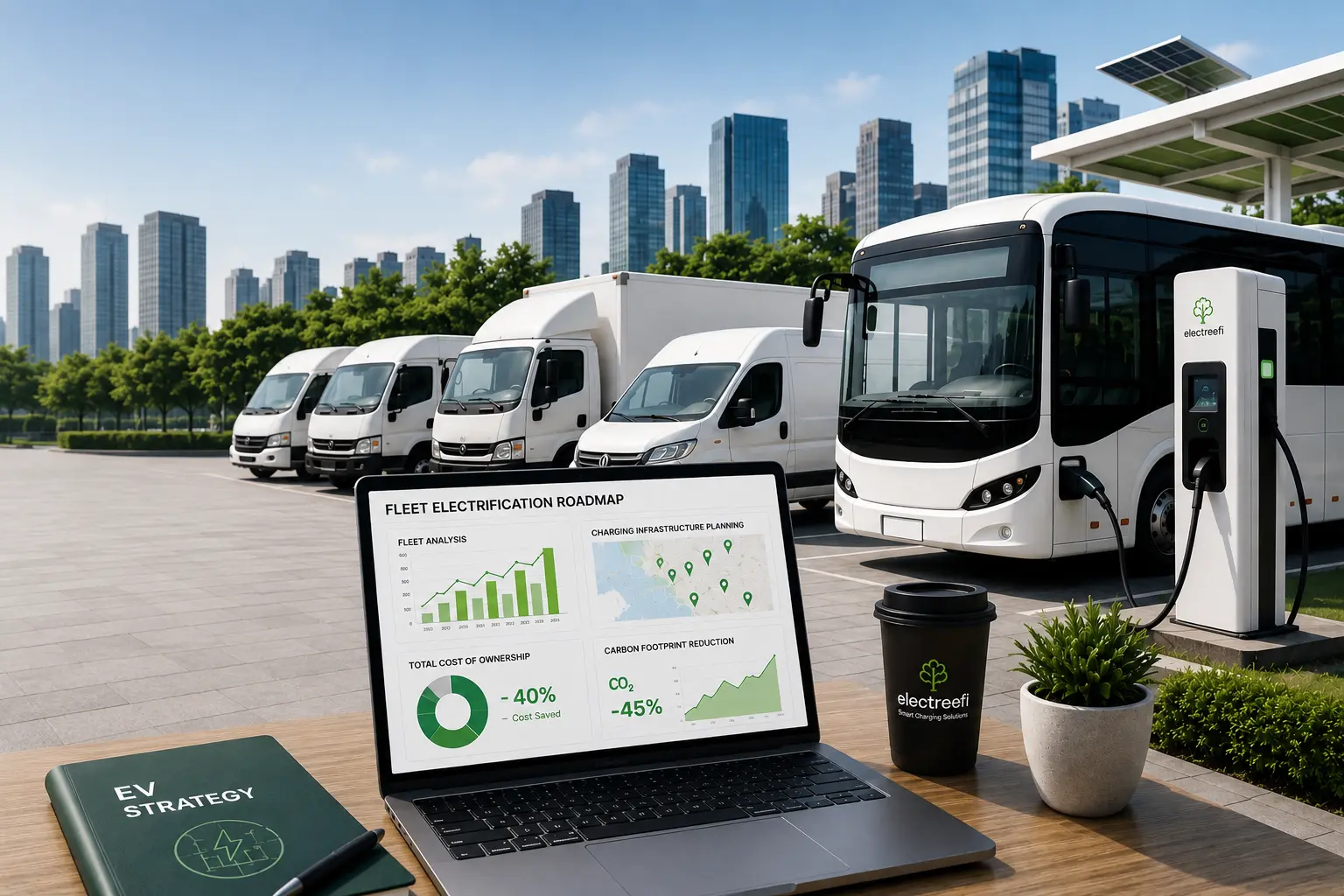
A proper feasibility study lays out total cost of ownership across three to five years. It compares fuel savings, maintenance savings, and any available subsidies against the initial investment. This gives finance teams a clear number to work with, instead of vague promises about long term savings.
Smart charging schedules also cut electricity bills by shifting charging to off peak hours. Over a large fleet, this alone can create meaningful monthly savings.
Government Incentives and Emission Norms Add Pressure
State and central schemes now offer subsidies, tax benefits, and lower registration fees for electric commercial vehicles. These incentives shrink the price gap between diesel and electric models, but the rules change often and vary from state to state.
Tighter emission norms in major cities also push fleet owners toward cleaner vehicles sooner rather than later. Companies that plan ahead can time their purchases to match subsidy windows and avoid last minute compliance scrambles.
Understanding which incentives apply to your fleet type takes ongoing attention. Many operators miss out on savings simply because they were not aware a scheme existed before the application deadline closed.
Training Drivers and Depot Staff for the Transition
Electric vehicles behave differently from diesel trucks and vans. Regenerative braking, instant torque, and charging routines all take some adjustment for drivers who have spent years behind a combustion engine.
A short but focused training programme helps drivers adapt within a few weeks. Topics usually cover safe charging practices, range estimation on different routes, and basic troubleshooting for common alerts.
Depot staff also need clear protocols for plugging in vehicles at the end of a shift, monitoring charge levels overnight, and reporting equipment issues quickly. Well trained teams reduce the small errors that often cause bigger delays later.
Ongoing EV Assist Keeps Fleets Running
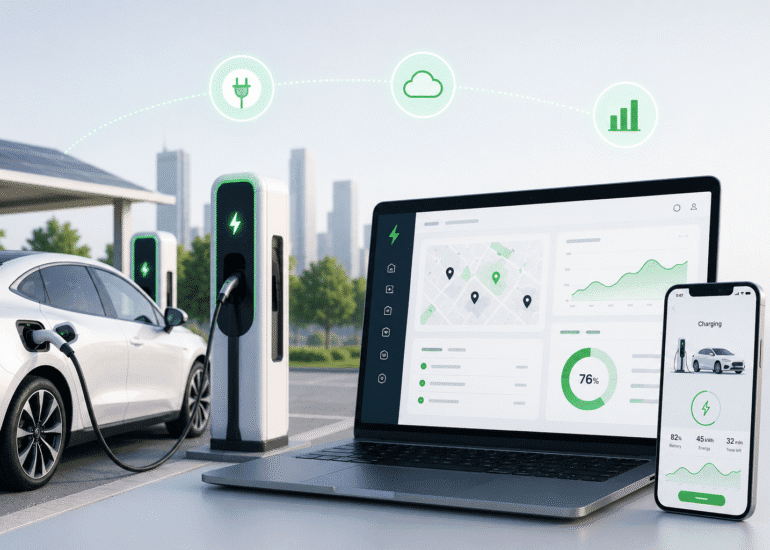
Electrification does not end once vehicles hit the road. Drivers need training on charging etiquette and range management. Fleet managers need dashboards that show vehicle status and charger health in real time.
Reliable EV Assist during daily operations prevents small issues from turning into missed deliveries. Quick troubleshooting support, whether for a charger fault or a route planning question, keeps the entire fleet moving without unplanned downtime.
Post installation support also matters for scaling. As your fleet grows, your charging network needs to grow with it, and ongoing consultancy support makes that expansion smooth rather than chaotic.
A Partner for the Full Electrification Journey
ElectreeFi works with transportation agencies, corporate fleets, and logistics companies across India to plan and execute electrification projects from start to finish. The process starts with understanding your specific operations, moves through infrastructure planning and vehicle selection, and continues with support long after installation.
This end to end approach means fleet operators do not have to juggle multiple vendors for charging hardware, software, and site planning. One team studies the fleet, designs the solution, and stays available for ongoing operational support.
Making the Switch Without the Guesswork
Fleet electrification in India is picking up speed, driven by rising fuel costs, tighter emission norms, and growing pressure to hit sustainability goals. Fleets that plan carefully avoid the common mistakes of oversized chargers, mismatched vehicles, and underestimated grid upgrades.
Expert guidance turns a complex transition into a series of manageable steps. From the first feasibility study to daily charging support, a structured process keeps costs predictable and vehicles on the road.
Fleet owners who want a smooth path to electric operations should start with a proper assessment of their routes, depots, and power capacity before buying a single vehicle. That single step often saves the most time and money over the life of the fleet.
The fleets that succeed with electrification rarely rush the process. They gather data, test a small pilot batch of vehicles, measure real world performance, and only then scale up across the full fleet. This staged approach catches problems while they are small and inexpensive to fix.
Waiting for the perfect moment to switch is not a strategy either. Fuel prices keep climbing, emission rules keep tightening, and early movers gain valuable operational experience that competitors will need to catch up on later. A well planned electric fleet becomes a long term advantage rather than just a compliance checkbox.
Frequently Asked Questions
What does EV Consulting include for fleet operators?
It covers feasibility studies, charging infrastructure planning, vehicle and charger selection, site identification, and post installation support. Consultants study your routes, depot layout, and power capacity before recommending a plan, so every decision matches your actual fleet needs rather than generic assumptions.
How long does it take to electrify a commercial fleet in India?
Timelines vary with fleet size and depot readiness. A pilot phase with a few vehicles can launch within two to three months, while full fleet transitions with major infrastructure upgrades often take six to twelve months to complete safely and efficiently.
Is electric fleet transition actually cost effective in the long run?
Yes. Higher upfront vehicle costs are usually offset by lower fuel and maintenance expenses within three to five years. Smart charging schedules and available subsidies further improve returns, making the total cost of ownership favorable for most fleet types.
What charging infrastructure does a fleet depot need?
Requirements depend on route length and turnaround time. Depots often need a mix of AC chargers for overnight charging and DC fast chargers for quick top ups between shifts, along with adequate transformer capacity to handle peak load safely.
How does ongoing support help after vehicles go electric?
Continuous monitoring, driver training, and quick troubleshooting prevent minor issues from causing delivery delays. Real time dashboards track charger health and vehicle status, allowing fleet managers to catch problems early and keep operations running smoothly every day.