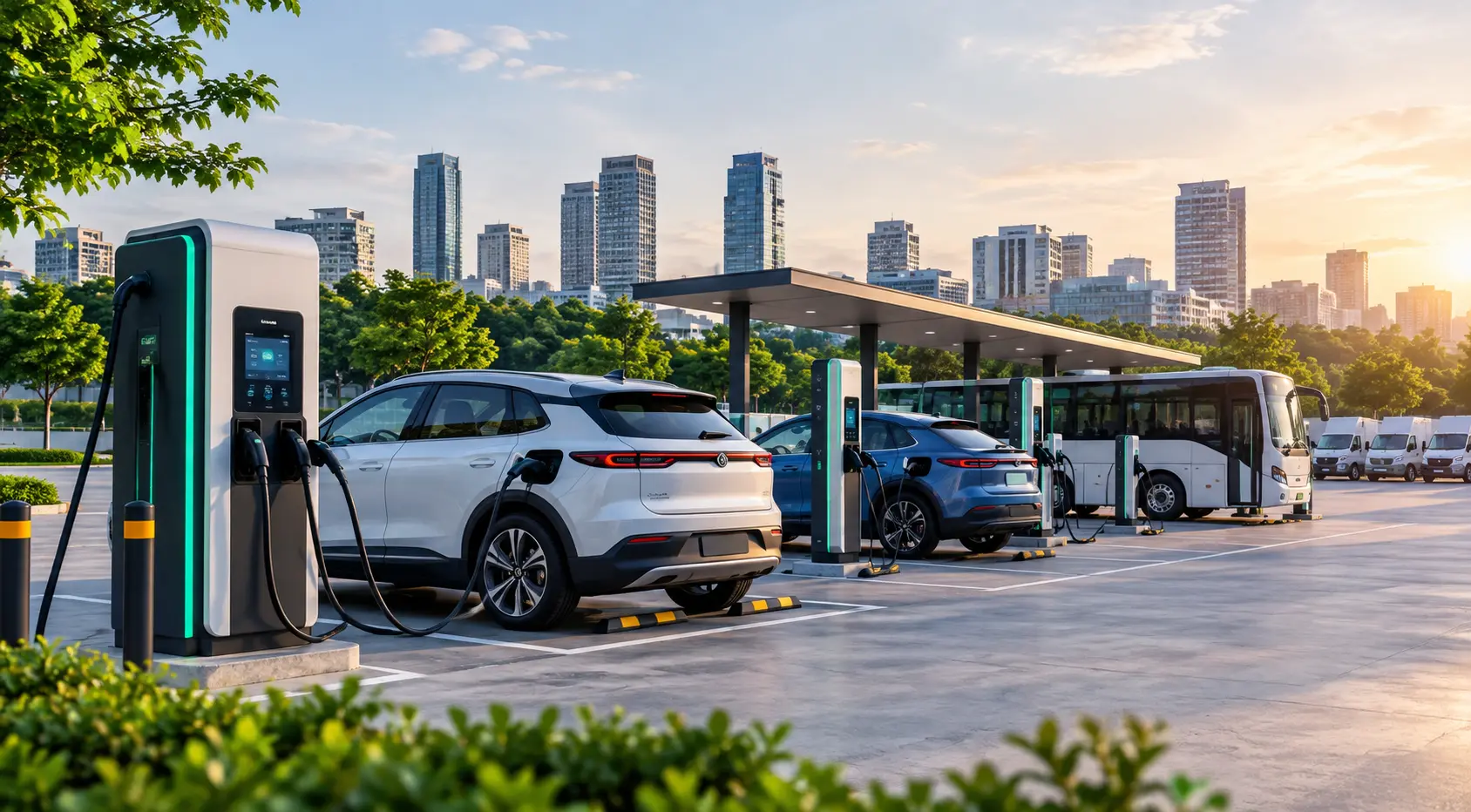
Bengaluru runs on food deliveries, cab rides, and staff shuttles that move from dawn to midnight. Fleet owners across the city now see that reliable EV Charging in Bengaluru decides whether an electric fleet makes money or loses it. Vehicles earn only when they move, and every idle hour at a slow or broken charger eats into margins.
The upside is clear. Operators who plan charging well now run cheaper, cleaner, and more reliable fleets than their diesel rivals. This guide explains how Bengaluru fleets use charging to grow, which problems still slow them down, and how Charge Point Operators (CPOs) can turn fleet demand into steady revenue.
Why Bengaluru Fleets Are Switching to Electric
Bengaluru offers a rare mix of conditions for fleet electrification. The city hosts some of India’s busiest business corridors, including Outer Ring Road, Whitefield, and Electronic City. Cab aggregators, quick commerce brands, and corporate shuttle firms all compete hard on speed and cost here.
Karnataka also backs the shift with clear policy support. The state regulator has created a dedicated tariff category for EV charging stations and keeps its energy rate below what regular commercial users pay. BESCOM, the city’s power utility, runs a dedicated EV cell that acts as a single window for charging infrastructure. This setup makes approvals and power connections simpler for operators.
Running costs seal the deal. An electric cab or delivery vehicle costs far less per kilometre than a petrol or diesel one when it charges at the right time and place. That gap widens as daily mileage grows, which explains why fleets with heavy daily use lead the switch.
How EV Charging in Bengaluru Shapes Fleet Profits
For a fleet, charging never works as a side task. It sits at the heart of the business model, and three factors decide whether it helps or hurts growth.
Uptime. A vehicle that waits two hours for a free charger loses a full set of trips. Fleets need chargers that work every time and slots they can plan around.
Energy cost. Power bills climb fast when dozens of vehicles charge together during peak hours. Smart scheduling shifts that load to cheaper, quieter windows, so the same energy costs less.
Visibility. Managers need to know which vehicle charged, where, for how long, and at what price. Without that data, they cannot price routes, track driver habits, or spot waste.
The Charging Challenges Bengaluru Fleets Still Face
Growth brings pressure. Public chargers in busy zones often fill up during evening peaks, and many sites mix private cars with commercial vehicles. Fleet drivers then queue behind personal EV owners who charge at leisure.
Depot charging solves part of the problem, but it brings its own hurdles. Operators must secure enough sanctioned load from the utility, choose the right mix of AC and DC chargers, and stop too many vehicles from drawing power at once. A single transformer upgrade can delay a depot launch by months.
Mixed hardware adds more friction. Many fleets buy chargers from different brands over time, and each brand often ships its own software. Managers end up juggling several dashboards that never talk to each other.
How Smart Software Turns Chargers into Growth Engines
The fleets that grow fastest treat charging as a data problem and not just a hardware purchase. The right charging management platform connects every charger, vehicle, and driver in one view. At ElectreeFi, we built our platform around this exact need.
Smart Load Management Cuts Energy Bills
Our smart charging with load management solution spreads power across chargers based on grid load and tariff windows. It prevents demand spikes when a whole fleet plugs in at shift change. Operators keep energy costs predictable without paying for extra grid capacity.
Live Monitoring Protects Uptime
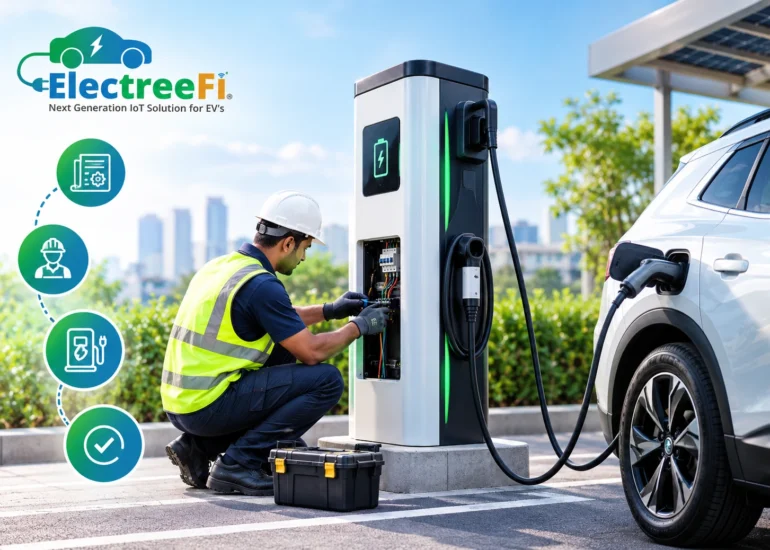
Our cloud dashboard shows charger status, session data, and revenue as it happens. Instant alerts flag faults before a driver reaches a dead charger. Our field teams then step in with preventive and breakdown maintenance, so vehicles return to the road fast.
Fleet Tracking Links Vehicles to Charging
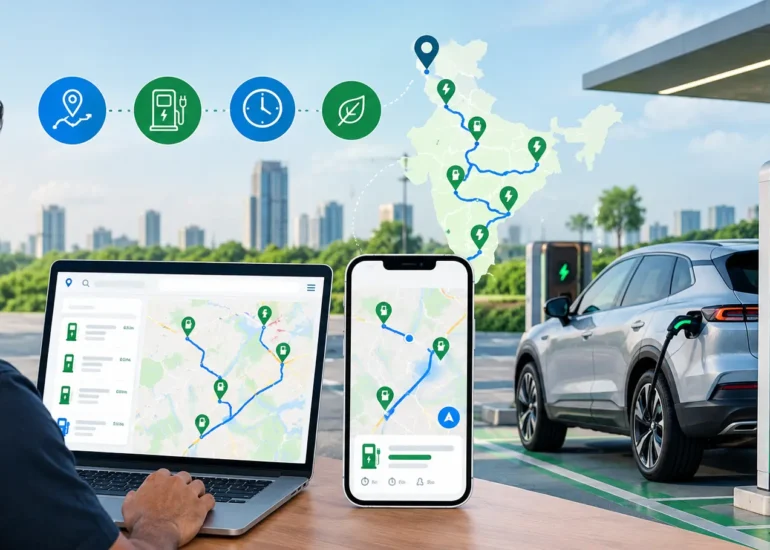
With our EV fleet management software, managers track each vehicle’s location, status, and driver behaviour. They can match routes with charger availability and plan stops that never clash with peak trips. Our guide on why every CPO needs a route planner explains this approach in detail.
Open Standards Keep Your Options Open
Our platform talks to chargers through OCPP and connects with partner networks through OCPI. We already integrate with 48 charger brands in India and manage over 70,000 EV charging points nationwide. Fleets can buy hardware from any supported brand and still run everything from one screen.
Depot, Public, or Hybrid: Which Charging Model Fits Your Fleet?
No single model suits every fleet. Delivery two wheelers with short, repeated routes often do well with battery swapping, since a swap takes only a few minutes.
Cab fleets that park overnight gain the most from AC chargers at a central depot. Logistics vans and staff buses on long daily routes usually need DC fast chargers for quick top ups between trips. Most growing fleets in Bengaluru now follow a hybrid plan: they charge overnight at the depot and top up at partner public sites during the day.
A dedicated EV fleet hub brings both worlds together. It gives fleets reserved AC and DC chargers, secure parking, and managed access in one place.
What This Means for Charge Point Operators
Fleet demand gives CPOs something retail drivers rarely offer: steady and predictable volume. A single fleet contract can fill chargers during hours that would otherwise sit empty, and that lifts utilisation across the whole site.
CPOs that win fleet business in Bengaluru focus on a few basics. They reserve slots for fleet partners, offer bulk billing, and share clear usage reports every month. They also place chargers near fleet hotspots such as tech parks, logistics parks, and aggregator depots. Operators in other metros follow a similar playbook, as our look at how CPOs can win in Chennai shows.
Service quality seals long term fleet deals. Fleet managers expect fast fault response, simple digital payments, and one monthly invoice instead of hundreds of small receipts. CPOs that pair reliable hardware with strong EV charging station O&M support and flexible payment solutions keep fleet partners loyal for years. That loyalty matters, because a renewed fleet contract costs far less to win than a brand new customer.
Roaming adds another layer of growth. When your network joins partner networks, fleet drivers can charge across the city through one app and one payment method. Your chargers log more sessions without any new hardware spend.
Build a Fleet Ready Charging Network Today
Bengaluru’s fleet market will keep growing, and the operators who plan charging well will capture the biggest share. Whether you run a delivery fleet, a cab business, or a public charging network, we help you pick sites, deploy chargers, and manage every session from one platform.
Ready to power your fleet’s growth? Talk to our team today and get a charging plan built around your routes, your vehicles, and your budget.
FAQs
How much does EV charging cost in Bengaluru?
Costs depend on the charger type and the operator. Karnataka gives charging stations a dedicated EV tariff that sits below commercial power rates, so fleets that charge at their own depots usually pay the least per unit.
How do I start an EV charging station in Bengaluru?
Apply to the BESCOM EV cell for a power connection under the EV tariff. Then pick a busy site, choose AC or DC chargers, and connect them to an OCPP ready management platform.
How long does it take to charge an electric fleet vehicle?
An AC charger fills most electric cars overnight in six to eight hours. A DC fast charger adds a strong top up in 30 to 60 minutes between shifts.
Is an EV charging station business profitable in Bengaluru?
Yes, when utilisation stays high. Fleet contracts help most, and many operators reach positive cash flow within three to five years.
Can fleet drivers use public EV charging points?
Yes. Roaming lets drivers use partner networks through one app, while depots handle most daily charging.