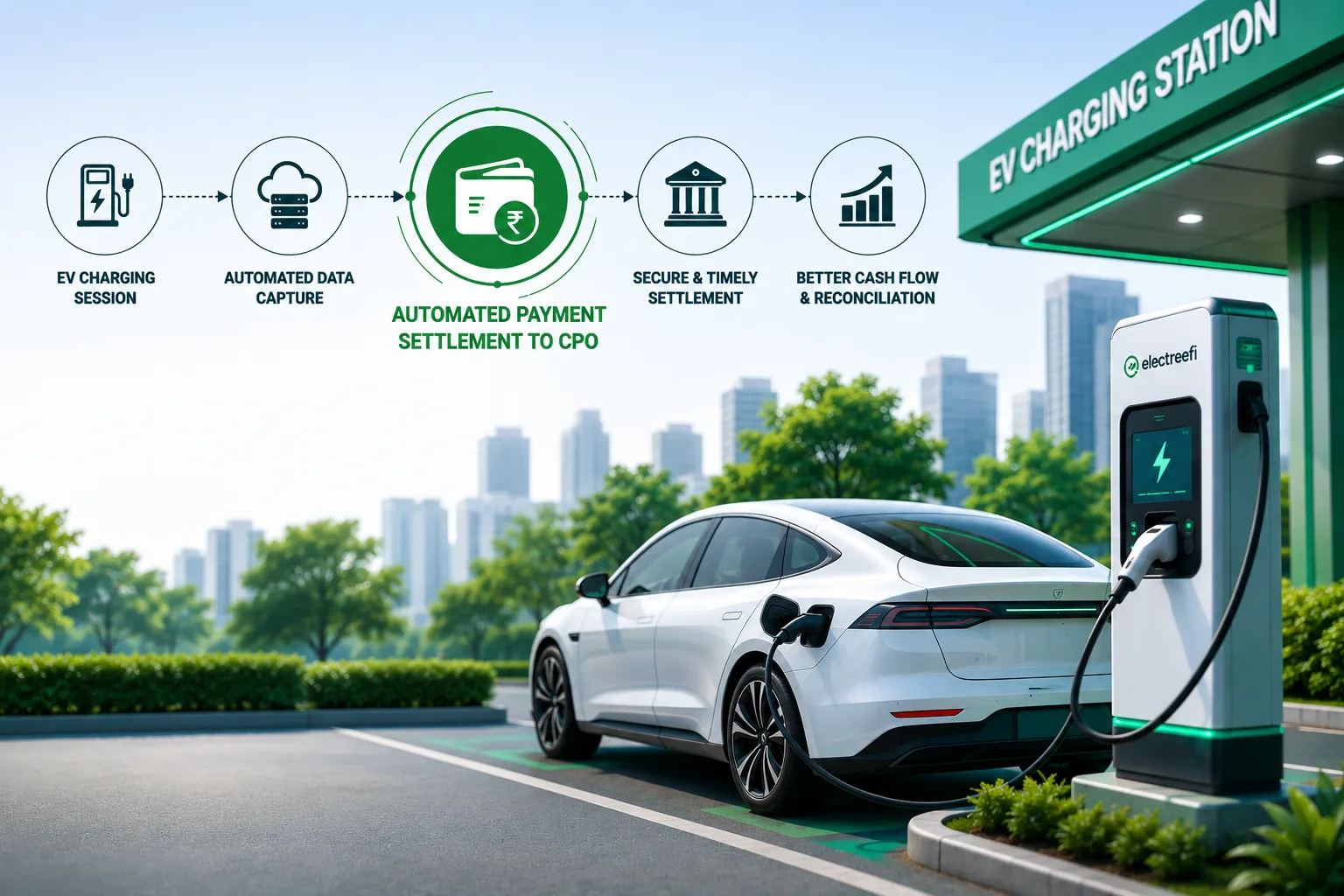
India’s EV charging network is growing at a rapid pace, and money now moves as fast as electrons. Automated Payment Settlement to CPO has become the backbone of this shift because it removes the manual reconciliation that once slowed down every charging session. Charge Point Operators no longer wait days to see their earnings, and EV owners no longer face awkward payment delays at the station. This single change is reshaping how the entire charging ecosystem earns trust, moves money and scales across cities.
A few years ago, most charging stations relied on manual invoicing or delayed bank transfers. Operators had to track sessions on spreadsheets, chase payment confirmations and resolve disputes long after a driver had already left. That process created friction for everyone involved. Drivers wanted instant, reliable payments, while operators wanted predictable cash flow without extra paperwork.
Why Manual Settlement No Longer Works
The old settlement model could not keep pace with India’s EV growth. Every new charger added more transactions, more reconciliation work and more room for error. Operators running multiple sites found it nearly impossible to track revenue in real time.
Manual processes also created trust issues. Drivers sometimes paid but faced session delays, and operators struggled to match payments with the correct charging session. As adoption increased, this gap between payment and settlement became a real barrier to scaling infrastructure.
The Shift Toward Digital and Instant Settlement
Digital payment rails changed the equation. UPI, cards and QR based payments made it possible to collect money instantly from the driver’s side. The remaining challenge was moving that money to the right operator without delay or manual intervention.
This is where structured payment automation stepped in. Instead of holding funds and settling them later, modern platforms route payments directly, cutting out the waiting period entirely. Drivers select a connector, choose the charge amount, pay and the session starts immediately once payment clears.
How Automated Payment Settlement to CPO Works in Practice
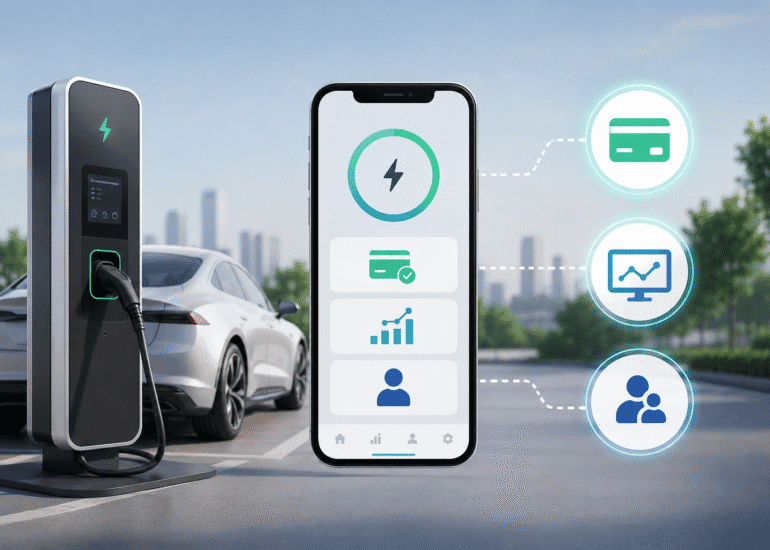
At a technical level, the process begins the moment a driver initiates payment at the charger. The payment gateway verifies the transaction, and the platform then routes funds straight to the Charging Point Operator’s account without needing a separate settlement cycle.
This flow depends on tight integration between the charger hardware, the payment gateway and the backend software managing the transaction. When these three pieces communicate correctly, settlement becomes near instant rather than a batch process handled once a day or once a week.
Operators benefit because they can see revenue reflected almost immediately. This visibility helps them plan maintenance, staffing and expansion decisions with real numbers instead of estimates. It also reduces disputes, since every transaction is tied to a specific session with a clear digital trail.
Benefits for Charge Point Operators
Faster settlement means better cash flow. Operators no longer need to wait for batch processing or manual approval before funds land in their account. This predictability makes it easier to plan for site upgrades, additional chargers or staff costs.
Automated settlement also reduces administrative overhead. Finance teams spend less time chasing payment records and more time analyzing performance data. Fewer manual steps also mean fewer errors, which protects both operator revenue and driver trust.
Transparent, real time settlement additionally supports better decision making. Operators managing several locations can compare performance across sites and identify which chargers generate the most consistent revenue. This data driven approach was far harder to achieve under manual settlement systems.
Benefits for EV Owners
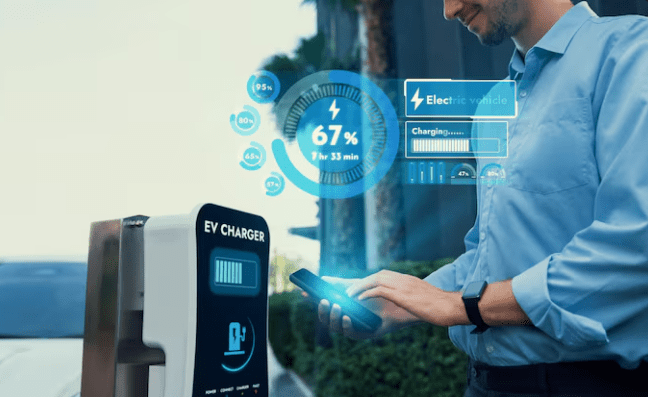
Drivers experience the difference directly at the charger. Payment happens quickly through UPI, cards, tap and pay or QR codes, and charging starts right after the transaction clears. There is no waiting for confirmation calls or manual approval from station staff.
This reliability builds confidence in public charging infrastructure. When drivers know payments are processed instantly and securely, they are more willing to rely on public stations for daily charging needs rather than only charging at home. That confidence directly supports wider EV adoption across Indian cities.
Secure payment automation also protects drivers from disputes. Since each transaction is logged and tied to a specific session, any billing question can be resolved quickly using clear digital records rather than guesswork.
Supporting India’s Growing Charging Network
India now has thousands of public charging points, and that number keeps climbing every month. As networks expand across highways, residential complexes and commercial hubs, the payment layer needs to scale just as fast as the hardware layer.
Automated settlement systems support this scale because they remove the bottleneck of manual processing. Whether a network has ten chargers or ten thousand, the settlement flow works the same way for every transaction. This consistency is critical for operators planning national or multi city expansion.
Interoperability also plays a role here. When platforms support roaming and multiple charger brands, drivers can charge across different networks using one app and one payment method, while operators still receive their share of revenue automatically and correctly.
A Platform Approach Behind This Shift
ElectreeFi builds the technology layer that makes this kind of payment automation possible for charging networks across India. Its platform connects charger hardware, payment gateways and operator dashboards so that every transaction settles directly and transparently, without manual reconciliation slowing things down.
By supporting multiple payment methods and working across a wide range of charger brands, this kind of platform gives operators the flexibility to grow without rebuilding their payment infrastructure every time they add a new site or hardware vendor.
What This Means for the Future of EV Charging
As India moves toward wider EV adoption, payment friction will matter as much as charger availability. A driver who cannot pay quickly and reliably is unlikely to return to that station, no matter how good the hardware is.
Automated settlement removes this friction from both sides of the transaction. Operators get predictable revenue and clear records, while drivers get a fast and trustworthy charging experience. Together, these improvements are pushing India’s charging network toward the reliability that mass EV adoption requires.
The next phase of growth will likely bring even tighter integration between payment systems, smart charging schedules and demand based pricing. Operators who adopt automated settlement now will be better positioned to take advantage of these coming changes without needing to overhaul their systems later.
Ready to simplify how your charging network handles payments and settlement? Get in touch with a team that specializes in EV charging technology to explore a platform built for scale, speed and reliability.
Frequently Asked Questions
What is automated payment settlement in EV charging?
It is a system where funds collected from a driver at a charging station move directly to the Charge Point Operator without manual processing or delay, cutting reconciliation time significantly.
How fast do CPOs receive payments after a charging session?
Settlement typically happens in near real time once the payment gateway confirms the transaction, so operators see revenue reflected almost immediately rather than after a batch cycle.
Which payment methods work with automated settlement systems?
Most platforms support UPI, credit and debit cards, tap and pay, and QR code payments, giving drivers flexible options at the charging point.
Does automated settlement reduce payment disputes?
Yes, since every transaction links to a specific session with a digital record, making it easier to resolve billing questions quickly and accurately.
Can automated settlement scale across large charging networks?
Yes, the process works the same way whether a network has a handful of chargers or thousands, making it suitable for operators planning multi city expansion.