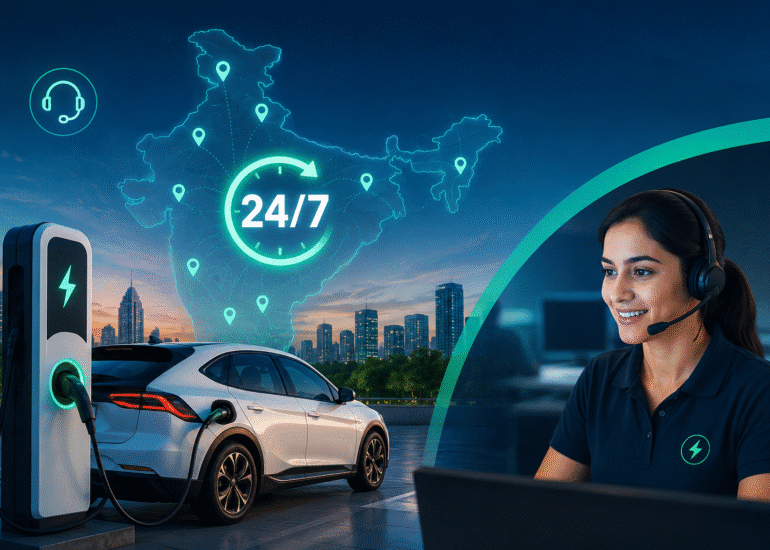
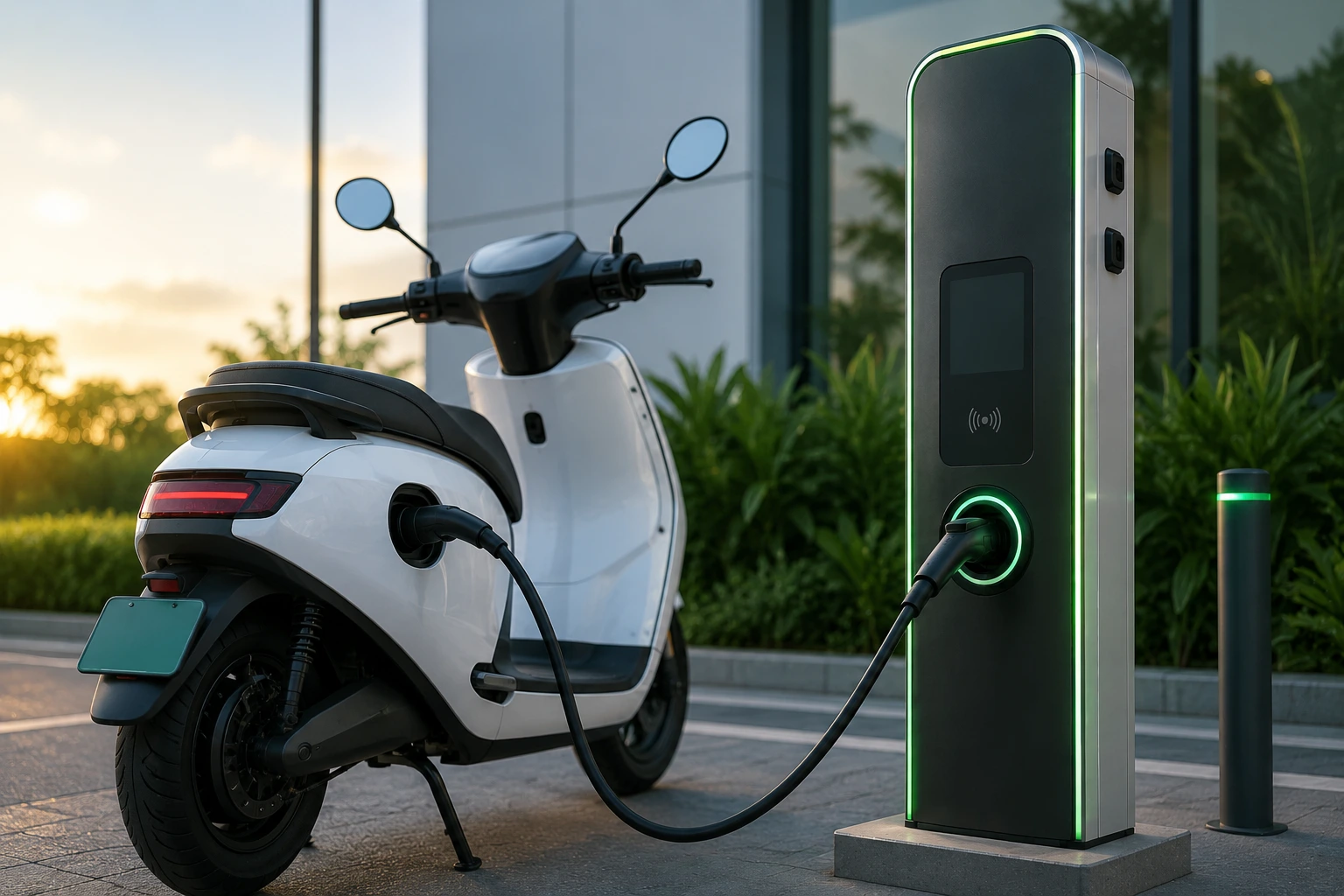
Electric two-wheeler fleets are growing faster than most charging networks can keep up with. Delivery companies, ride-hailing operators, and logistics providers are adding scooters and bikes every month.
Charging speed and reliability decide whether a fleet stays profitable. Riders lose earning hours when they wait at a charger, tap cards, or fix payment errors. This friction adds up quickly across hundreds of vehicles.
Plug & Charge for Electric Vehicle technology removes that friction entirely. It lets a vehicle authenticate itself the moment it connects to a charger, without cards, apps, or manual login steps. For fleet owners, this single change reshapes daily operations.
The Growing Challenge of Charging Electric Two-Wheeler Fleets
Fleet managers juggle dozens of moving parts. Route planning, rider shifts, vehicle maintenance, and charging schedules all compete for attention every single day.
Traditional charging stations were not built for fleets. A rider has to scan a QR code, open an app, select a charger, and confirm payment before power even starts flowing. Multiply that by fifty or a hundred vehicles daily, and the lost minutes turn into lost revenue.
Network outages make things worse. If the app crashes or the payment gateway lags, riders sit idle. Fleet owners then absorb the cost through missed deliveries or unfulfilled ride requests.
What Is Plug & Charge for Electric Vehicle Technology
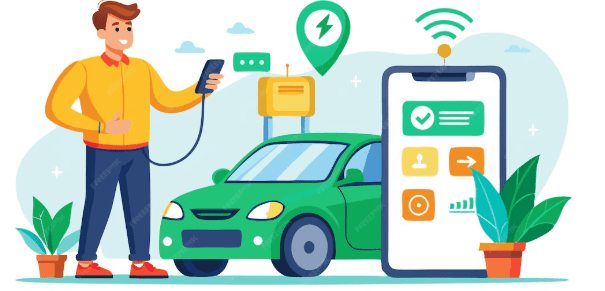
Plug & Charge for Electric Vehicle systems work on a simple principle. The vehicle carries a secure digital identity, and the charger reads it automatically the moment the cable connects.
There is no manual step involved. The charger recognizes the vehicle, verifies its account, starts the session, and later settles the bill in the background. Riders simply plug in and walk away, or wait a few minutes for a quick top-up.
This authentication happens through encrypted communication between the vehicle and the charging point. Industry standards like ISO 15118 support this exchange, making it possible across different charger brands and networks.
How Plug and Charge Simplifies Daily Fleet Operations
A fleet running dozens of two-wheelers cannot afford manual charging routines. Every extra tap or login adds up across a full day of shifts.
With plug and charge, riders roll up to any compatible station, connect the cable, and the session begins instantly. There is no need to remember passwords or carry separate RFID cards for different networks.
Fleet supervisors also gain cleaner data. Every charging session logs automatically against the correct vehicle ID, which removes guesswork from billing and usage tracking. Teams managing large fleets through an EV Fleet Management platform can view charging patterns, energy consumption, and vehicle uptime from one dashboard.
Key Benefits for Electric Two-Wheeler Fleet Owners
Fleet owners care about three things above all else: uptime, cost control, and rider satisfaction. Plug and charge technology touches all three directly.
Riders spend less time at the charger and more time on the road. Even a two-minute reduction per session adds up to hours of saved productivity across a large fleet by the end of a week.
Billing becomes automatic and accurate. Owners no longer chase missing receipts or reconcile mismatched transactions between riders and charger operators.
Fleet expansion also gets easier. New vehicles onboard faster because there is no separate card issuance or app registration process required for each unit added to the network.
Reducing Downtime and Boosting Rider Productivity
Downtime is the single biggest cost driver for any electric fleet. A parked vehicle earns nothing, whether it sits idle due to maintenance or a slow charging queue.
Plug and charge cuts the queue time at the connector itself. Riders do not fumble with a phone screen or wait for network confirmation before power starts. The session begins the instant metal meets metal.
This matters even more during peak hours. Delivery fleets running lunch and dinner rushes cannot afford a five-minute delay per rider. Faster authentication keeps more vehicles moving during the windows that generate the most revenue.
Pairing this with Smart Charging With Load Management also helps hubs avoid overloading local power supply during rush charging periods, keeping every connector available when riders need it most.
Cost Savings and Predictable Energy Management
Energy costs eat into fleet margins faster than most owners expect. Every kilowatt-hour matters when hundreds of vehicles charge daily across multiple hubs.
Automatic authentication removes billing disputes and human error from the equation. Fleet owners see exact, vehicle-level consumption data instead of estimates based on shift logs or manual entries.
This data also supports better forecasting. Owners can plan energy budgets, negotiate better tariffs with utility providers, and identify which hubs need additional charging capacity before problems occur.
Predictable billing also helps finance teams close monthly reports faster, since every transaction ties directly back to a specific vehicle and session.
Security and Data Protection in Plug & Charge Systems
Security concerns come up naturally whenever automatic authentication enters the conversation. Fleet owners want assurance that no unauthorized vehicle can draw power meant for their fleet.
Modern plug and charge systems use encrypted digital certificates unique to each vehicle. This certificate exchange happens before any power transfer starts, blocking unregistered vehicles from accessing the charger.
Session data also stays protected through the same encrypted channel, which reduces the risk of tampered billing records or spoofed vehicle identities. For fleet operators managing sensitive route and rider data, this layer of protection matters as much as charging speed itself.
Choosing the Right Electric Vehicle Plug and Charge Solution
Not every charging network offers true plug and charge capability today. Fleet owners should evaluate an Electric Vehicle Plug and Charge solution based on a few practical factors before committing to a provider.
Compatibility across charger brands matters most. A solution locked to one hardware vendor limits future expansion options as the fleet grows and adds new charging hubs.
Integration with existing fleet software is equally important. The charging data should flow directly into route planning, maintenance scheduling, and billing systems without manual exports or spreadsheet work.
Support for Battery Swapping alongside plug and charge also gives fleets flexibility, letting operators mix quick swaps with overnight charging based on route demands and vehicle availability. Reading more on battery swapping networks for electric fleets can help owners compare both approaches before deciding.
The Road Ahead for Fleet Charging in India
Electric two-wheeler adoption across delivery and ride-hailing sectors shows no signs of slowing down. Charging infrastructure needs to scale at the same pace, or fleet growth will stall against operational bottlenecks.
Plug and charge technology solves the authentication bottleneck that has slowed fleet charging for years. It turns a multi-step process into a single, instant action that fits naturally into a rider’s daily routine.
Fleet owners who adopt this technology early gain a real operational edge. Faster turnarounds, cleaner billing, and better uptime translate directly into more deliveries completed and more rides accepted every single day.
Companies like ElectreeFi are building the infrastructure that makes this shift possible for fleets across India, connecting vehicles, chargers, and fleet management systems into one seamless network. Fleet owners exploring their next charging hub can review the EV Fleet Hub offering to understand how plug and charge fits into a larger fleet strategy.
Frequently Asked Questions
What does plug and charge mean for electric two-wheelers?
Plug and charge means a vehicle authenticates itself automatically once connected to a compatible charger. Riders skip card taps, app logins, and manual confirmation steps entirely. The system recognizes the vehicle, starts the session, and bills it correctly in the background.
Is plug and charge safe for fleet vehicles?
Yes, it relies on encrypted digital certificates unique to each vehicle. This exchange happens before power transfer begins, which blocks unauthorized vehicles from accessing the connector. Session data also stays encrypted, protecting billing accuracy and rider information.
Does plug and charge work across different charger brands?
It depends on the charger’s compatibility with standards like ISO 15118. Fleet owners should confirm cross-brand support before choosing a provider, since locked networks limit future expansion as the fleet adds new vehicles and hubs.
How does plug and charge reduce fleet operating costs?
It removes billing errors caused by manual entry and mismatched transactions. Owners get accurate, vehicle-level energy data, which supports better budgeting, tariff negotiation, and hub planning across the entire fleet network.
Can plug and charge work alongside battery swapping?
Yes, many fleets combine both approaches. Riders on tight schedules use battery swapping for quick turnarounds, while others rely on plug and charge during longer breaks or overnight parking, giving fleet owners flexibility across different route types.