India’s electric vehicle market is expanding rapidly and charging infrastructure is playing catch-up. As more drivers transition to electric vehicles, the need for a dependable smart electric vehicle charging system is increasing across homes, offices, and commercial properties. Compared to basic charging points, they are in a league of their own, with smart systems offering intelligent monitoring, remote control and energy optimisation that are simply out of reach of traditional chargers.
This guide has all you need to know about installing a smart charging system in India. It covers the process, costs, benefits and key features to look for before you invest.
What Is Smart EV Charging System?
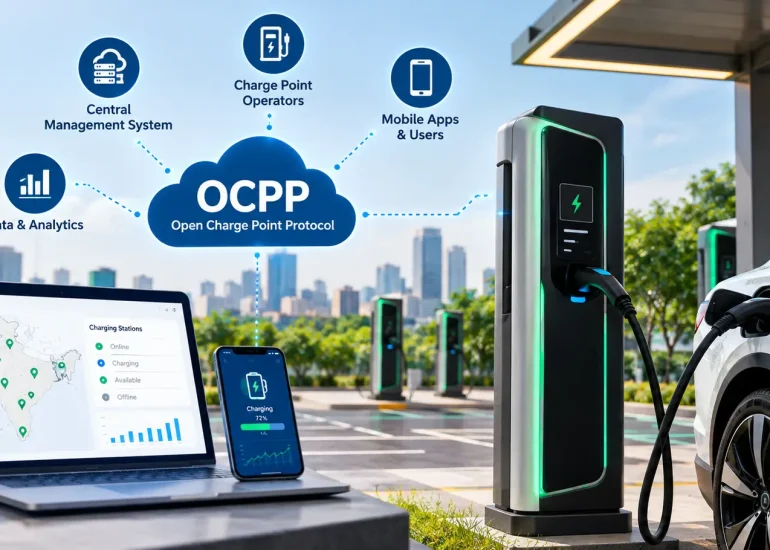
A smart EV charging system is connected to the internet and allows users to monitor, schedule and control charging sessions through a mobile app or web dashboard. These systems employ sensors and software to monitor energy use, identify faults, and optimize charging according to electricity rates and grid demand.
Unlike conventional chargers that just supply power, smart systems transfer data in real time. This connectivity gives the users full insights of their charging patterns and provides operators the capability to efficiently manage multiple charging stations.
Why smart charging is essential for India’s EV growth
Electrification in India faces many challenges including the intermittent power supply, differential electricity tariffs and lack of charging infrastructure in many parts of the country. These are problems that a smart car charging system solves head-on, by optimizing energy usage, and lightening the load on local grids.
Smart systems also support India’s efforts to integrate renewable energy. Many setups will align charging schedules with solar generation or off-peak electricity hours thus reducing cost and carbon footprint. Smart technology is crucial for managing demand without overloading existing electrical infrastructure as more housing societies, offices and public spaces embrace EV charging.
The key benefits of smart EV charging systems are:
Monitoring and Control at a Distance
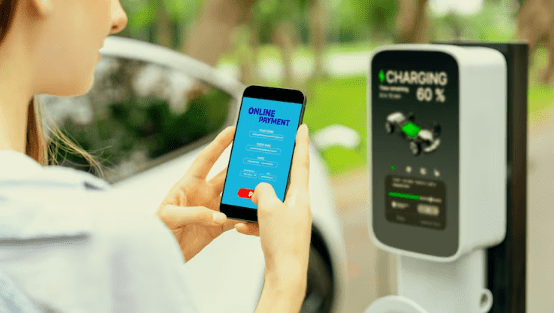
Users can start, stop and schedule charge sessions remotely from their phones. This ease means you don’t have to manage each charging event yourself in the field.
Energy efficiency
“Smart systems look at the rates of electricity and the load on the grid and schedule charging to off-peak hours.” This capability cuts electricity bills and takes some pressure off the grid during peak times.
Diagnostics in Real Time
Sensors built into the unit detect problems such as faults, overheating or connectivity before they become serious problems. Early detection reduces downtime and increases the life span of charging equipment.”
Multiuser scalability
A central dashboard allows housing societies, offices and commercial properties to manage multiple charging points at the same time. And that scalability is why smart systems are ideally suited for shared parking facilities and workplace charging hubs.
Higher Safety Standards
Automated fault detection and load balancing protect the vehicle and the electrical system against damage. These safety features are very important considering the different weather conditions and power fluctuations in India.
What Is EV Charging Management System and How Does It Work
An EV Charging Management System is the backbone of any smart charging network. This software layer handles the coordination of multiple charging stations, usage data collection, billing management and the equitable distribution of power to connected vehicles.
For businesses and housing societies with multiple charging points, a management system is essential, not optional. It enables the administrator to remotely set access rights, produce reports on usage, and fix technical problems without having to go to each charging station.
India: Installation Process in Stages
Step 1: Site Visit & Electrical Audit
A qualified technician will assess your property’s electrical capacity, available space and proximity to the main power supply. The audit will determine if your existing infrastructure can support a smart charging installation or if upgrades are necessary.
Step 2: Selecting the Appropriate Charging Equipment
Choose a charger model according to your vehicle type, expected use, and the number of users who will be using the station. This step includes the evaluation of connectivity features, app compatibility and load management capabilities.
Step 3: Getting the necessary approvals
Most installations need approval from local electricity boards and sometimes housing society management. Early approval prevents delays in the installation stage.
Step 4: Installation by a Professional
After the charging unit is installed by a certified electrician, they connect it to the electrical panel and hook up network connectivity so the smart features can work properly.
Step 5: Testing & Commissioning
Once installed, technicians test the system to ensure it’s putting out the right voltage, the app is connecting, and the system is safe. This step is also important to verify proper operation of the remote monitoring and scheduling functions prior to placing them into regular service.
Step 6: User Training & Onboarding
Guidance is provided about the use of the mobile app, setting up charging sessions and diagnostic alerts. Successful onboarding means the system provides its full range of benefits from day one.
EV Smart Charging Installation Cost Analysis
The price of installing a smart EV charging system in India depends on a few factors. The cost of the equipment depends on how fast it charges, the brand, and any smart features like app connectivity or load balancing it might have.
The cost of installation will depend on the distance between your electrical panel and the charging point, and the electrical upgrades needed for your property. There may be additional software subscription fees for advanced management capabilities, particularly in the case of multi-user installations in commercial or residential complexes.
EV infrastructure projects are getting more and more support from government incentives and state-level subsidies in India. Reviewing these programs before installation can greatly reduce your total investment.
Common Problems and Solutions
Power fluctuations are still common in many parts of India. Integrated voltage regulation and surge protection in smart systems solve this problem by protecting both the vehicle and the charging equipment.
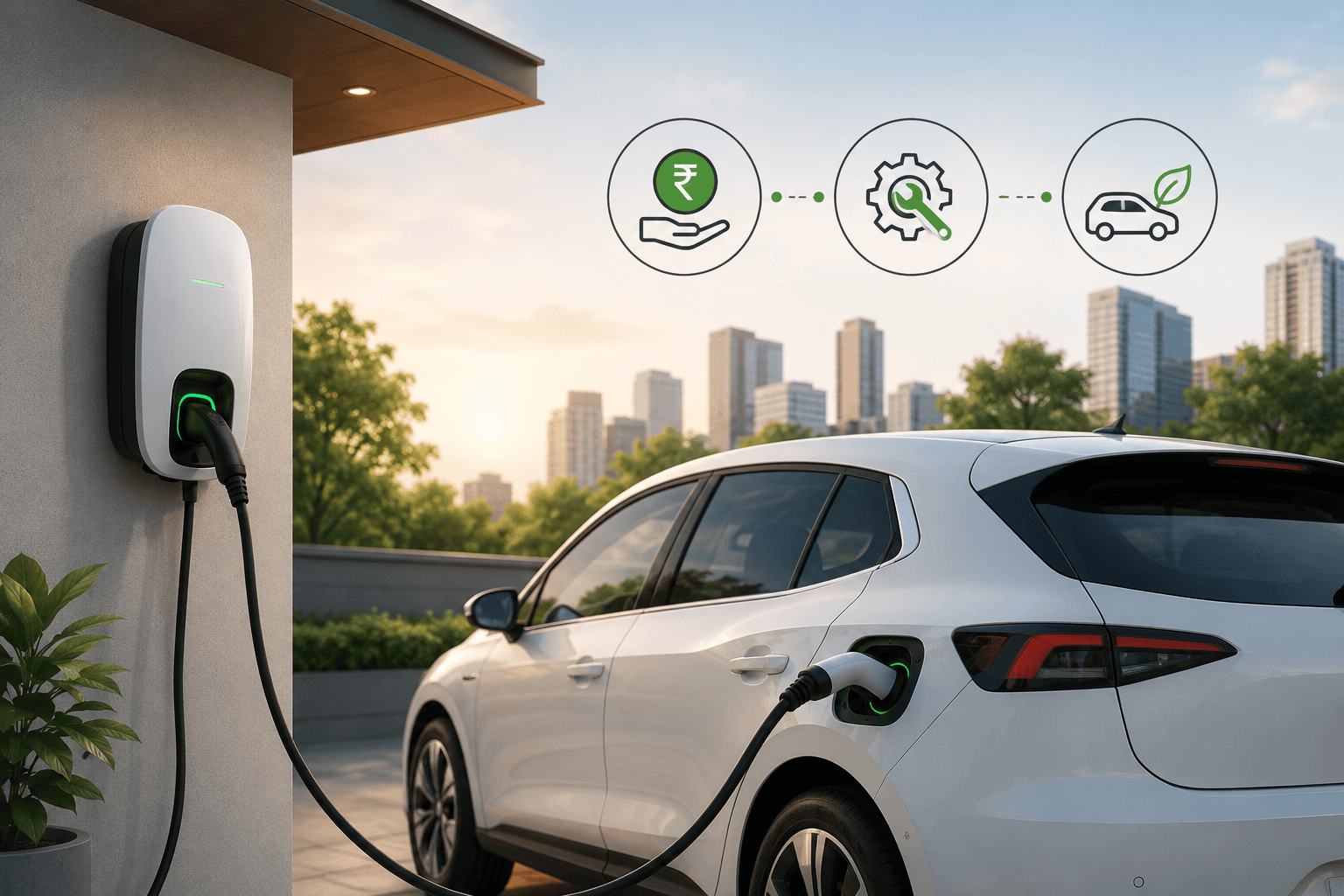
Space constraints in urban housing societies is another problem. Compact chargers and wall-mounted units help make the most of limited parking areas without compromising functionality.
Remote monitoring features may be compromised in areas with poor Internet infrastructure. Choose devices that have offline capabilities so charging can still happen during brief network outages.
How ElectreeFi addresses smart EV charging
Companies like ElectreeFi are building smart charging platforms that combine reliable hardware with software-enabled management tools. This approach is in line with the broader industry trend of connected, data driven charging infrastructure that is suitable for the growing EV ecosystem in India. And as adoption grows, property owners and businesses can implement systems that scale smoothly when working with experienced providers.
Summary
Investing in a smart electric vehicle charging system is a progressive step for Indian homeowners, businesses and housing societies. Smart charging, armed with remote monitoring, energy optimization and centralized management, is far more practical than traditional charging points.
Knowing the installation process, what it costs and the main benefits before investing can help you decide if this technology is right for you. As EV infrastructure in India develops, smart charging systems will be an important enabler of sustainable transportation across the country.
FAQs
What makes a smart EV charger different from a regular one?
Smart chargers are internet-connected and feature app-based monitoring, scheduling and diagnostics, whereas standard chargers just provide power and have no connectivity or data-tracking features.
What is the cost of installing smart EV chargers in India?
Costs vary depending on the equipment, complexity of installation and need for electrical upgrades. Government incentives and state subsidies can reduce overall investment for many installations.
Can a smart charging system operate during power fluctuations?
Yes, most smart systems have voltage regulation and surge protection, which protects the charging equipment and vehicle during unstable power conditions prevalent in many parts of India.
Do I need a management system for 1 home charger?
A single home charger may not always need a complete management system, but it is a must-have for apartment complexes, offices or businesses with several charging points in use at the same time.
Do I need a good internet connection to use smart chargers?
Offline operation is a feature of many smart chargers, which allows them to continue charging even if a temporary network outage occurs, but remote monitoring features require an internet connection to work fully.