
India is rapidly moving toward a cleaner and more sustainable transportation ecosystem. Government incentives, growing environmental awareness, and the expansion of electric vehicle infrastructure are accelerating EV adoption across industries such as logistics, ride-sharing, and last-mile delivery. However, transitioning from conventional fleets to electric fleets introduces new operational complexities. Businesses must monitor battery performance, optimize charging schedules, manage drivers, and track vehicles efficiently.
This is where a robust EV Fleet Management Solution becomes essential. It helps fleet operators manage electric vehicles intelligently while improving operational efficiency and reducing costs. With the right digital tools and real-time analytics, organizations can successfully scale their electric mobility operations and contribute to India’s sustainable future.
The Growing Need for Smart Fleet Management in India
Electric mobility is transforming India’s transportation landscape. Companies across sectors are integrating EVs into their fleets to reduce emissions and lower operating costs. Yet managing electric vehicles requires a different approach compared to traditional fuel-powered fleets.
Electric fleets depend heavily on battery health, charging infrastructure, and route optimization. Fleet managers must ensure that vehicles remain charged, operational, and available at the right time. Without advanced digital systems, monitoring these factors manually becomes inefficient and error-prone.
Modern fleet platforms use telematics, analytics, and automation to simplify operations. They provide real-time visibility into vehicles, charging status, and driver performance, allowing operators to make informed decisions quickly. According to industry insights, real-time monitoring, predictive maintenance, and optimized charging schedules help reduce downtime and extend vehicle lifespan.
Real-Time Visibility and Operational Control
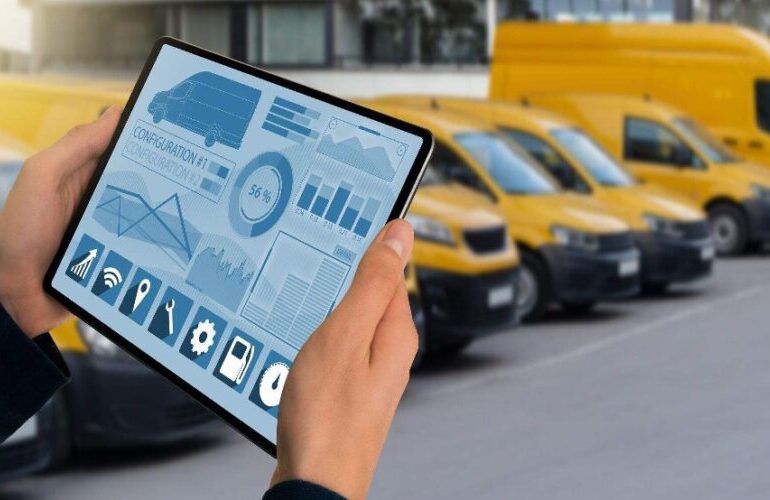
One of the biggest advantages of advanced fleet platforms is real-time tracking and monitoring. Fleet operators can track vehicle locations, battery levels, and operational status through a centralized dashboard.
Real-time monitoring improves fleet utilization by ensuring that vehicles are deployed efficiently and are always ready for the next assignment. It also enhances security because managers can instantly detect unusual movements or unauthorized activity.
A modern EV Fleet Management Solution also captures digital data from every vehicle trip, providing insights into route efficiency, energy usage, and driver behavior. These insights allow companies to optimize fleet performance and improve overall productivity.
Intelligent Charging and Energy Management
Charging management is one of the most critical aspects of operating electric fleets. Unlike conventional vehicles that refuel quickly, EVs require proper charging schedules to maximize uptime and minimize energy costs.
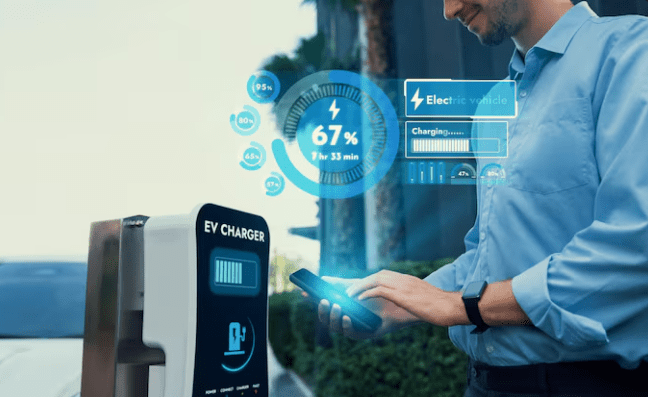
Advanced fleet platforms analyze data such as vehicle usage patterns, battery health, and charging station availability to determine the most efficient charging strategy. Intelligent charging optimization prevents vehicles from running out of power during operations and reduces electricity costs by scheduling charging during low-demand periods.
Effective energy management also helps balance power consumption across multiple vehicles, preventing overloading of charging infrastructure and ensuring stable fleet operations.
Route Optimization and Efficiency
Electric vehicles have limited range compared to traditional fuel vehicles, making route optimization essential. Smart fleet platforms use advanced algorithms and analytics to determine the most efficient routes based on traffic, distance, and charging availability.
Optimized route planning not only reduces energy consumption but also improves delivery timelines and customer satisfaction. Businesses can complete more trips with fewer vehicles while reducing operational expenses.
Route optimization also contributes to sustainability goals by minimizing energy waste and lowering carbon emissions.
Predictive Maintenance and Vehicle Health Monitoring
Battery health and component performance play a critical role in EV fleet operations. Unexpected breakdowns or battery issues can disrupt services and lead to costly downtime.
Fleet management systems monitor vehicle diagnostics and generate alerts when maintenance is required. Predictive maintenance uses historical data and real-time analytics to identify potential problems before they become serious issues.
This proactive approach reduces repair costs, extends vehicle lifespan, and ensures that fleets remain operational without interruptions.
Driver Management and Safety
Driver behavior significantly impacts the performance and efficiency of electric fleets. Poor driving habits such as aggressive acceleration or unnecessary idling can drain battery power and reduce vehicle efficiency.
Fleet platforms provide tools to monitor driver performance and encourage responsible driving. Managers can track driving patterns, set performance benchmarks, and provide feedback to drivers.
Improving driver behavior not only enhances safety but also increases battery efficiency and reduces maintenance costs.
Data-Driven Decision Making
Data is the backbone of modern fleet management. Advanced analytics dashboards provide insights into fleet utilization, operational costs, energy consumption, and driver performance.
These insights help businesses make strategic decisions such as expanding fleet capacity, optimizing charging infrastructure, or adjusting operational strategies. Data-driven decision making allows organizations to continuously improve performance and scale operations effectively.
Supporting India’s Sustainable Mobility Goals
India’s push toward electric mobility is driven by the need to reduce air pollution and decrease reliance on fossil fuels. Electric fleets play a crucial role in achieving these environmental goals, especially in urban logistics and transportation.
However, successful EV adoption requires intelligent digital platforms that can manage the complexities of electric mobility. A powerful fleet management platform ensures that electric fleets operate efficiently while maintaining sustainability standards.
Solutions like those offered by ElectreeFi enable fleet operators to manage real-time tracking, driver oversight, geofencing, and automated invoicing through a unified platform, simplifying EV adoption across India’s diverse mobility ecosystem.
The Road Ahead for Electric Fleet Management
As EV adoption continues to grow in India, the demand for advanced fleet management technology will increase significantly. Businesses that adopt intelligent management platforms will gain a competitive advantage by improving efficiency, reducing costs, and delivering better services.
The future of electric mobility will rely on integrated digital solutions that connect vehicles, drivers, charging infrastructure, and data analytics into one ecosystem. Companies that embrace these innovations will be better positioned to scale their EV operations and contribute to India’s transition toward sustainable transportation.
In this rapidly evolving mobility landscape, adopting a reliable EV Fleet Management Solution is not just a technological upgrade it is a strategic investment in the future of transportation.
FAQs
What is an EV fleet management system?
An EV fleet management system is a digital platform that helps businesses monitor, manage, and optimize electric vehicles within a fleet. It provides tools for tracking vehicles, monitoring battery health, managing drivers, and optimizing charging and routes.
Why is EV fleet management important for businesses?
EV fleet management improves operational efficiency, reduces downtime, optimizes charging schedules, and lowers maintenance costs. It also helps businesses make data-driven decisions and improve overall fleet productivity.
How does fleet management software improve EV efficiency?
Fleet management software uses analytics and real-time monitoring to optimize routes, manage charging schedules, and track battery health. These features ensure vehicles operate efficiently and minimize unnecessary energy consumption.
Can EV fleet management systems reduce operational costs?
Yes. By optimizing routes, improving energy management, and enabling predictive maintenance, fleet management systems help businesses reduce operational expenses and increase vehicle uptime.
Which industries benefit most from EV fleet management solutions?
Industries such as logistics, e-commerce delivery, ride-sharing, public transportation, and corporate mobility benefit significantly from EV fleet management platforms.