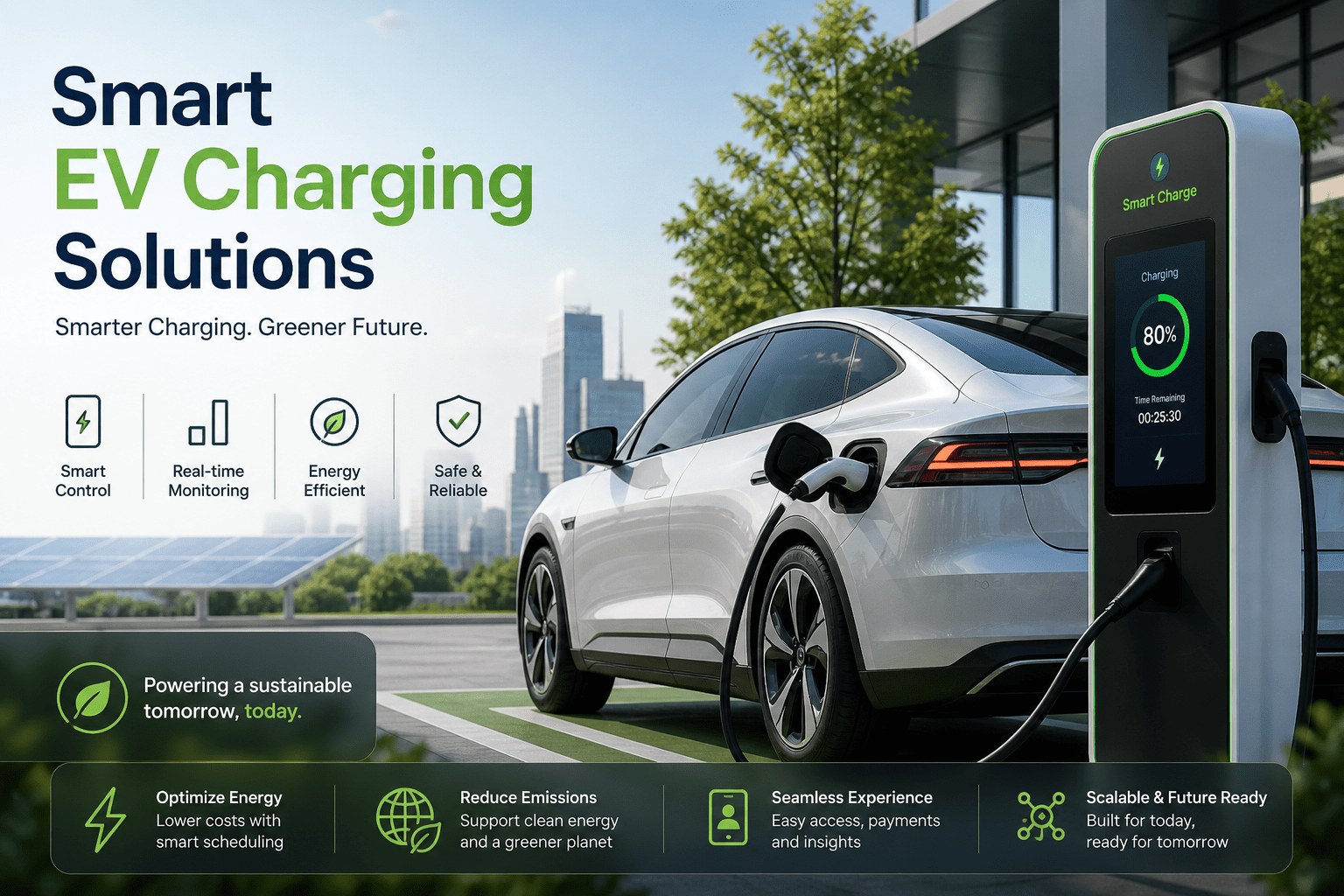
India is rapidly embracing electric mobility, and with that shift comes the urgent need for smarter infrastructure. Businesses, fleet operators, and individual EV owners now demand systems that deliver speed, safety, and efficiency. Modern EV Charging Solutions address this need by combining intelligent technology with reliable performance, enabling faster, safer, and more accessible charging.
Why India Needs Smart EV Charging Now
India’s EV ecosystem is expanding at a remarkable pace. However, traditional charging setups cannot keep up with rising demand. They often lack real-time monitoring, scalability, and energy optimization. Smart charging systems address these challenges by integrating advanced technologies such as IoT, cloud platforms, and automation.
These systems allow users to track charging sessions, monitor energy usage, and seamlessly access chargers. They also help operators manage multiple stations efficiently while reducing downtime and operational costs. This shift from basic infrastructure to intelligent networks is essential for supporting long-term EV adoption.
How Smart Charging Delivers Faster Performance
Speed plays a critical role in EV adoption. Long charging times can disrupt daily routines and reduce operational efficiency for businesses. Smart systems actively improve charging speed through intelligent power management.
They distribute electricity efficiently across multiple chargers, ensuring consistent performance even during peak usage. They also prioritize charging demand dynamically, reducing user wait time. With fast DC charging, users can significantly reduce charging time and get back on the road quickly.
Cloud-based platforms further enhance performance by providing real-time insights. Operators can identify bottlenecks, optimize power distribution, and ensure uninterrupted service—all while maintaining efficiency.
Safety Comes First in Smart Charging
Smart charging systems place safety at the core of their design. They actively monitor equipment performance and detect irregularities before they become critical issues. This proactive approach minimizes risks such as overheating, overloading, or system failure.
Advanced solutions use secure communication protocols to protect data and ensure reliable operations. They also include built-in safeguards, such as thermal management systems and automated shutdown features. These measures protect both users and infrastructure, making charging safer in residential, commercial, and public environments.
The Power of Connected Charging Ecosystems
Smart charging solutions create a connected ecosystem where chargers, users, and operators interact seamlessly. IoT-enabled platforms allow operators to control and monitor stations remotely, reducing manual intervention.
Users benefit from mobile app integration, which helps them locate nearby chargers, book slots, and make secure payments. At the same time, operators gain valuable data insights that help them optimize usage patterns and improve service delivery.
This connected approach transforms EV charging from a standalone activity into an integrated, user-friendly experience.
Business Advantages of Smart Charging Infrastructure
Businesses that invest in smart charging systems gain a strong competitive advantage. They reduce energy costs through optimized power usage and improve asset utilization with intelligent scheduling.
Fleet operators, in particular, benefit from reduced downtime and increased operational efficiency. By managing charging cycles effectively, they ensure that vehicles remain ready for use without unnecessary delays.
Real estate developers and commercial spaces can also attract more customers by offering reliable charging facilities. This added convenience enhances user experience and creates new revenue opportunities.
Building Future-Ready Charging Networks
India requires flexible and scalable infrastructure to support its growing EV market. Smart charging systems meet this demand by offering easy deployment and compatibility with various charger types.
They support both AC and DC charging, making them suitable for homes, offices, and public spaces. Many systems also integrate with renewable energy sources, helping reduce carbon emissions and promote sustainability.
As technology evolves, these systems will continue to adapt, ensuring that infrastructure remains future-ready and able to handle increasing demand.
Choosing the Right Charging Solution
Selecting the right system requires careful evaluation. Users should consider their specific needs, including charging speed, location, and usage type. Businesses must also assess scalability, software capabilities, and long-term costs.
A complete solution should include hardware, software, installation, and ongoing support. This ensures seamless operation and eliminates the complexities of managing multiple vendors.
ElectreeFi delivers comprehensive charging solutions that combine advanced technology with user-centric design, helping businesses and individuals transition smoothly into the EV ecosystem.
The Road Ahead for EV Charging
The future of EV charging will focus on automation, AI-driven energy management, and smart grid integration. These innovations will further improve efficiency, reduce costs, and enhance user experience.
Technologies such as ultra-fast charging and renewable-powered charging stations will redefine how users interact with charging infrastructure. As adoption grows, smart systems will play a crucial role in shaping a sustainable and efficient mobility ecosystem.
Conclusion
Smart charging solutions are transforming how India powers its electric vehicles. They deliver faster performance, ensure safety, and create seamless user experiences. As demand continues to rise, investing in intelligent infrastructure becomes essential for both individuals and businesses.
If you are exploring the Top EV Charging Solutions in India, choosing a smart, scalable, and future-ready system will help you stay ahead in the evolving EV landscape.
FAQs
-
What are EV charging solutions?
EV charging solutions include the hardware, software, and services that enable efficient charging and management of electric vehicles.
-
How do smart charging systems improve speed?
Smart systems optimize power distribution, reduce waiting time, and use fast-charging technology to deliver quicker charging.
-
Are smart EV charging systems safe?
Yes, they include real-time monitoring, overload protection, and secure communication systems to ensure safe operation.
-
Who should invest in EV charging infrastructure?
Businesses, fleet operators, residential societies, and commercial spaces can all benefit from installing EV charging systems.
-
What should I consider before choosing a charging solution?
You should evaluate charging speed, scalability, location, software features, and long-term operational efficiency.