Charge Point Operators across India are handling more vehicles, more chargers, and more data than ever before. Manual tracking sheets and phone calls simply cannot keep up with a growing electric fleet. This is where ev fleet management software steps in to bring order, visibility, and control to daily operations.
If you run a charging network or manage a fleet of electric vehicles, understanding this technology is no longer optional. It has become the backbone of efficient, profitable operations for CPOs who want to scale without losing control of costs or uptime.
What Is EV Fleet Management Software
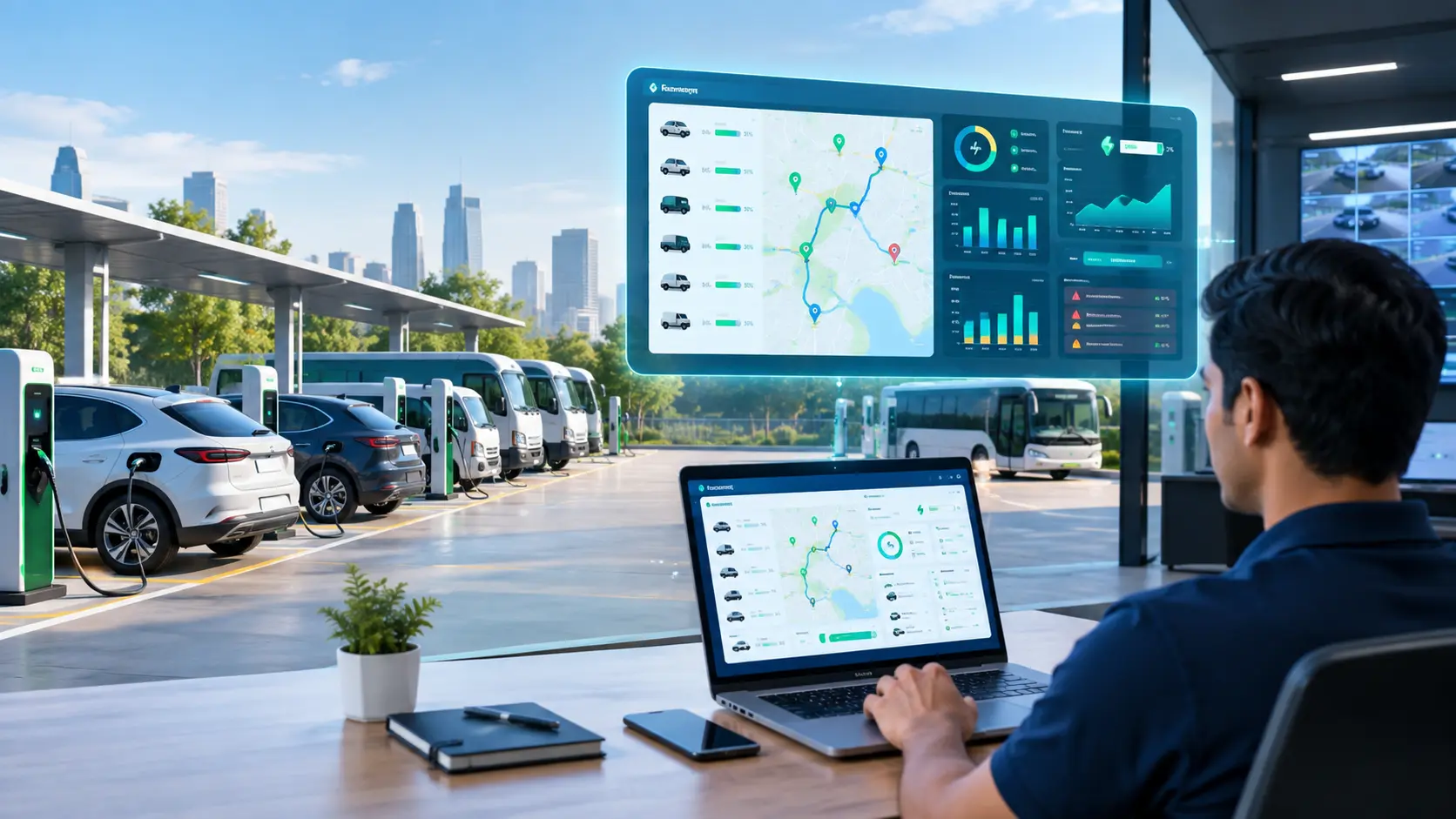
Ev fleet management software is a cloud based platform that tracks, monitors, and manages electric vehicles from a single dashboard. It records vehicle location, battery status, driver behavior, and charging patterns in real time.
For CPOs, this means no more guesswork. Every vehicle, every driver, and every charging session becomes visible on one screen. The platform pulls data directly from vehicles and chargers, then turns that raw information into reports operators can actually use.
Most platforms also support integration with OCPP enabled chargers. This allows fleet data and charging data to sit inside one system instead of being scattered across multiple tools and spreadsheets.
Why EV Fleet Management Software Matters for CPOs in India
India’s EV market is expanding fast, and charging station operators are under pressure to serve more vehicles without increasing downtime. A strong ev fleet management software platform directly addresses this pressure by automating tasks that used to take hours.
Fleet operators in cities like Delhi, Bangalore, and Mumbai already manage dozens of vehicles across different routes. Doing this manually leads to missed maintenance schedules, inconsistent charging, and higher operating costs. Software removes much of this friction.
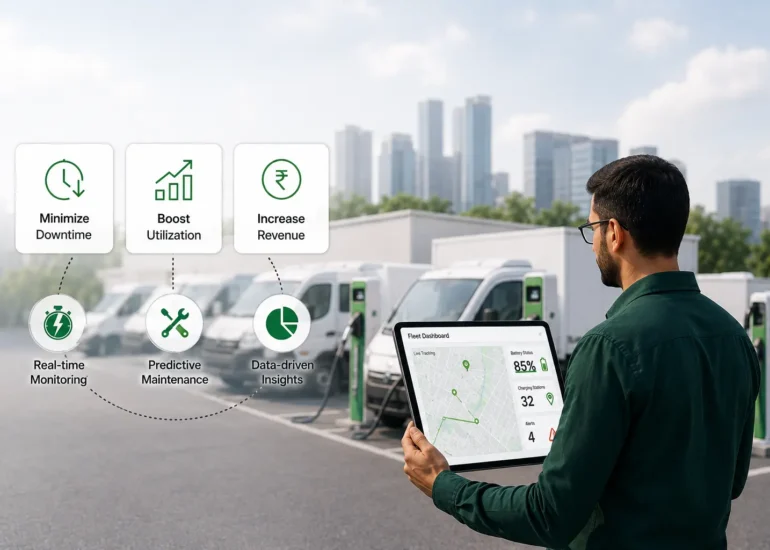
There is also a financial angle. Operators who adopt fleet software tend to see lower fuel and energy costs because the system optimizes routes and charging schedules. Reduced downtime means more vehicles on the road, which directly improves revenue for CPOs running commercial fleets.
Key Features of EV Fleet Management Software
A good platform does more than track location. It usually includes real time GPS tracking, battery health monitoring, driver behavior analytics, and automated maintenance alerts.
Digital footprint tracking is another useful feature. It captures journey history and driver patterns, which helps operators plan smarter routes and reduce unnecessary trips.
Deployment management is equally important. CPOs can assign vehicles to specific locations, monitor utilization, and shift assets where demand is higher. This kind of flexibility is difficult to achieve with spreadsheets alone.
Many platforms also offer driver management tools. These include schedules, assignments, and performance data, giving fleet managers a clearer picture of who is driving what and when.
How EV Fleet Management Software Improves Fleet Operations
The biggest benefit is visibility. Fleet managers can see exactly where every vehicle is at any moment, which reduces the time spent chasing updates over phone calls.
Predictive maintenance is another strong advantage. The software flags issues before they turn into breakdowns, saving repair costs and keeping vehicles on the road longer. This is especially valuable for commercial fleets that cannot afford unexpected downtime.
Charging efficiency also improves once fleet data connects with ev charging solutions. Operators can schedule charging during off peak hours, reducing electricity costs while keeping vehicles ready for their next trip.
Reporting becomes far simpler too. Instead of compiling data manually, managers get automated reports covering utilization, energy consumption, and driver performance. These insights support faster, better decisions.
Choosing the Right EV Fleet Management Software
Not every platform fits every operator. CPOs should look for software that works across multiple charger brands rather than locking them into one vendor. Open standards give more flexibility as the fleet grows.
Scalability matters as well. A platform that works for ten vehicles should still perform smoothly when the fleet grows to a hundred. Look for cloud based systems built to handle that kind of growth without slowing down.
Support is often overlooked but critical. Fleet downtime is expensive, so responsive customer support and reliable uptime guarantees should be part of the decision. Ask vendors about their average response time before signing any contract.
Electreefi is one example of a platform built specifically for the Indian EV ecosystem, combining fleet tracking with charging infrastructure management under one system.
Final Thoughts
Ev fleet management software has moved from a nice to have tool to a core requirement for charging station operators in India. It brings together tracking, maintenance, and charging data into one place, helping CPOs run leaner and more profitable operations.
As India’s EV market continues to grow, operators who adopt smart fleet software early will be better positioned to scale without the operational headaches that come with manual tracking. The technology pays for itself through reduced downtime and lower running costs.
Frequently Asked Questions
What is EV fleet management software used for?
It is used to track, monitor, and manage electric vehicle fleets from one dashboard. CPOs use it to check vehicle location, battery health, and driver behavior in real time, which helps reduce downtime and improve overall fleet efficiency across daily operations.
How does EV fleet management software help charging station operators?
It connects fleet data with charger data, allowing operators to schedule charging sessions efficiently and reduce energy costs. Operators also get maintenance alerts before breakdowns happen, keeping more vehicles active and reducing unexpected repair expenses throughout the year.
Is EV fleet management software expensive to implement?
Pricing varies by fleet size and features required. Most operators recover the cost quickly through lower fuel and maintenance expenses, along with better vehicle utilization. Cloud based platforms often reduce upfront investment since no heavy hardware setup is needed.
Can EV fleet management software work with different charger brands?
Yes, platforms built on open standards like OCPP can connect with multiple charger manufacturers. This gives CPOs the freedom to expand their charging network without being tied to a single hardware vendor, which supports long term scalability.
What features should CPOs look for in fleet software?
Look for real time tracking, predictive maintenance alerts, driver management, and charging integration. Scalability and strong customer support are equally important since fleet downtime directly affects revenue and customer satisfaction for charging station operators.