Buying your first electric vehicle is exciting, but it can be confusing when you think about charging it. Most new owners expect to find public stations that will suit their needs, only to quickly realize that what makes EV ownership convenient is an electric car charger for home. Home charging removes the guesswork from your daily routine and allows you to begin each morning with a full battery.
This guide will take you through everything you need to know as a first-time buyer before setting up charging at home. You’ll get to know about the different types of chargers, installation steps, costs, safety requirements, and smart features that make the entire experience easy.
Why You Need an Electric Car Charger at Your Home
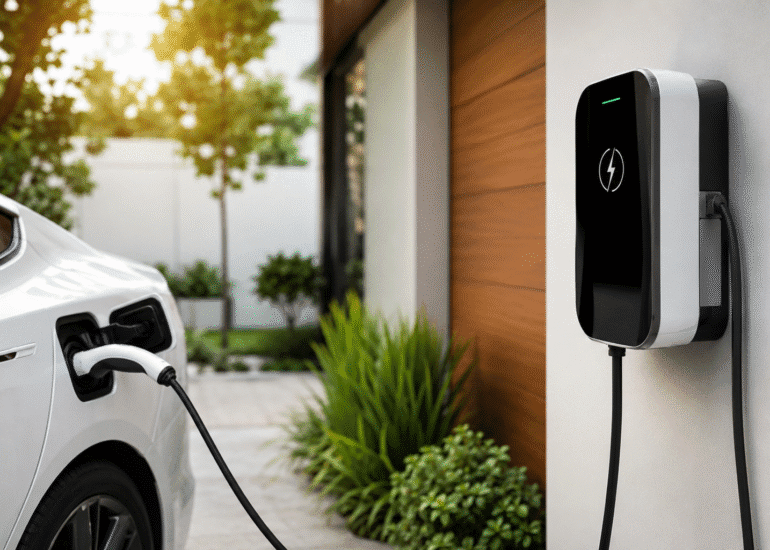
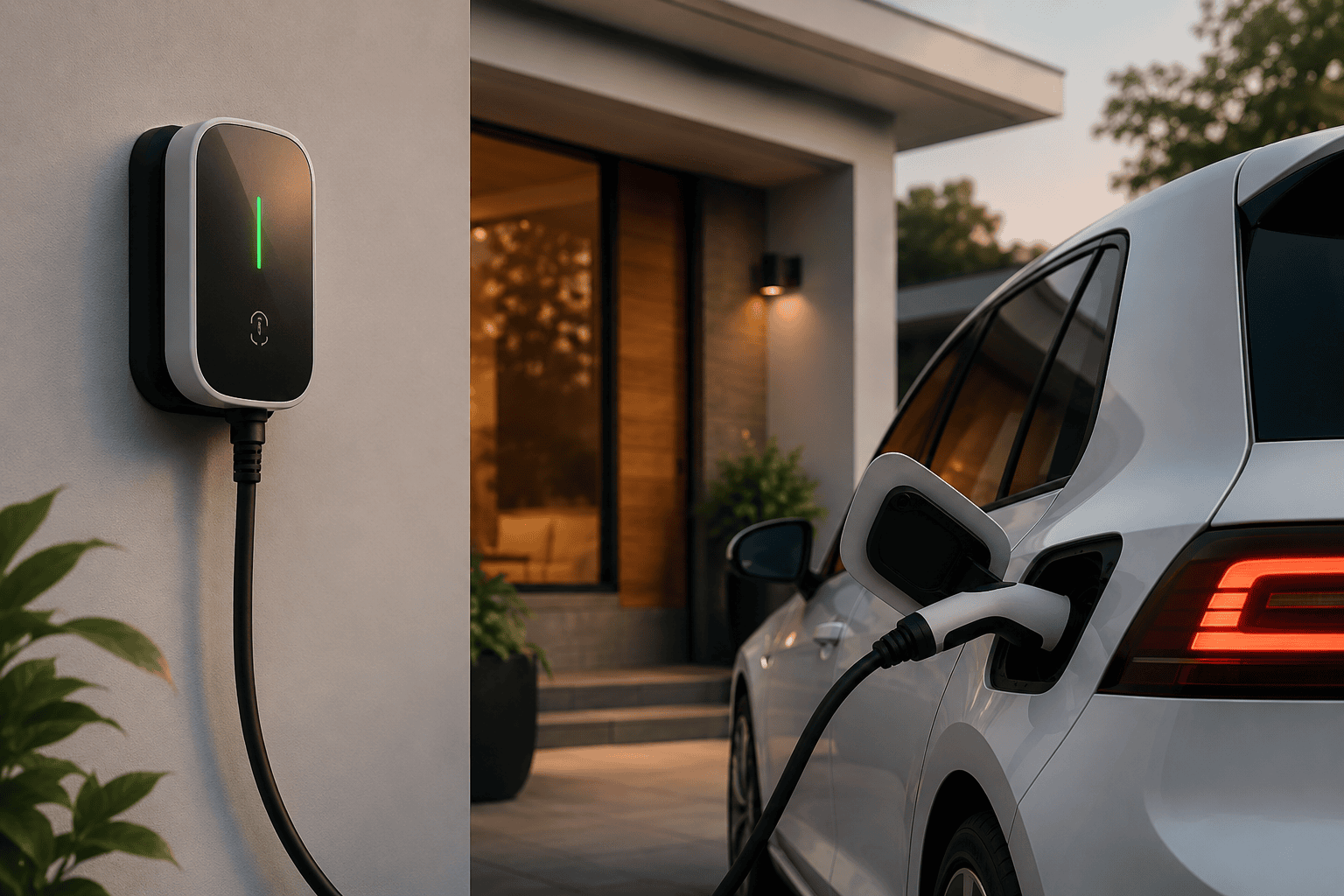
Public charging networks are expanding, but they can’t compete with the convenience of home charging. Just plug it in overnight, and every morning you wake up to a full battery. You bypass queues at public stations and avoid paying premium rates in peak hours.
Charging at home also helps the long-term health of your battery. More often than not, fast charging is harder on the battery cells than slow and steady overnight charging. Your EV is still ready for your daily commute, weekend trips, and unexpected errands without any last-minute planning.
Aside from convenience, a home charging setup also increases the resale value of your property. Buyers increasingly are looking for EV-ready homes, and having a charger installed puts your house ahead of the pack.
Explaining the Types of Home EV Chargers
Before installing an EV charger at home, you need to understand the three charging levels available to consumers.
Charging Level 1
Level 1 chargers connect to a standard home outlet and are the slowest to charge. They are perfect for plug-in hybrids or drivers with short-distance travel every day. But they generally only add a few km of range per hour, so they aren’t suitable for daily long-distance driving.
Charging – Level 2
Level 2 chargers require their own 240-volt circuit and charge much faster than Level 1 units. This is the most popular choice among homeowners, as it balances speed, cost, and safety. A Level 2 charger can fully charge a typical EV battery overnight and is the best choice for most buyers the first time around.
DC fast charge
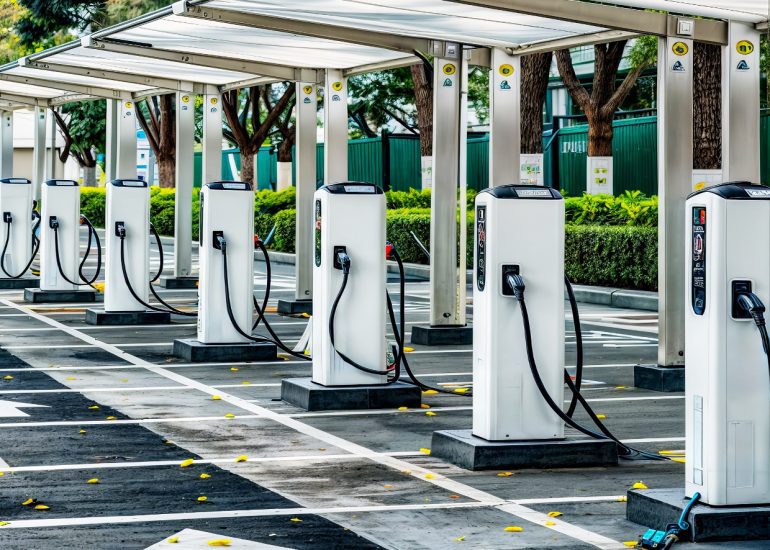
The fastest charger is a DC fast charger. It needs special equipment, more expensive installation, and a very large electrical capacity. This option is rarely chosen by homeowners because of the costs and supporting infrastructure required. Most homes, however, use Level 2 charging instead.
How to Install a Home EV Charger: Step
Every first-time buyer should have a clear process in place before they install an EV charger at home. Skipping steps can be dangerous or a waste of money.
Step 1: Evaluating the electrical capacity of your home
Have an electrician check your home’s electrical panel to ensure it can accommodate the extra load. Older homes might need their panel upgraded before you can safely install.
Step 2: Select the Correct Charger Model
Choose a charger that is appropriate for the charge capacity of your vehicle and your everyday driving range. Before you make a decision, think about features such as smart connectivity, weatherproofing, and the length of the cable.
Step 3: Choose a place to install
Pick a spot near where you park your car — like a garage or a covered driveway. It should be sited so the cable can be run safely without posing a tripping hazard.
Step 4: Get a Licensed Electrician
A professional installation will ensure your charger is installed to local electrical codes and safety standards. Most places require permits also. A licensed electrician will get that for you.
Step 5: Test and Power Up the Charger
The electrician then tests the unit to ensure it is charging at the correct rate and has the proper voltage and connectivity.” Many chargers also feature an app setup to monitor and schedule.
Cost Things to Consider
How much it costs to get an electric car charger installed at home depends on a number of variables. The cost of the charger unit itself varies by its power output and smart features. Installation costs vary based on the distance from your electrical panel to the charging location and whether your home needs any upgrades to the panel.
Labor charges depend on the region and the electrician’s availability. Homeowners should shop around for multiple quotes and compare warranty coverage before purchasing. Many utility providers also provide rebates or incentives for residential EV charger installation, so be sure to do your research on local programs before you finalize your budget.
Safety Considerations Every Buyer Should Be Aware Of
Of course, always remember safety when you are installing home charging equipment. Always use a certified electrician; don’t do it yourself, because faulty wiring can cause fire hazards.
Choose a charger that carries recognized safety certifications from testing organizations. If the charger will be exposed to rain or direct sunlight, make sure the location where you plan to install the charger is weatherproofed. Regular maintenance checks also let you catch worn cables or loose connections before they become a danger.
Smart Features to Consider
Today’s chargers do much more than just deliver power. Many models offer app-based monitoring so you can track charging sessions, set schedules, and get alerts from your phone. With scheduling features, you can set your system to charge during off-peak hours for electricity, reducing your monthly utility bill.
Some chargers also offer load balancing, which protects your home’s electrical system from being overloaded when multiple appliances are running at the same time. This feature guarantees consistent and dependable charging sessions while safeguarding your electrical infrastructure.
Want data? Want control? For data-savvy drivers, look for chargers with detailed usage reports. These reports allow you to track your energy usage over time and plan your charging habits around your budget and routine.
First-Time Buyers’ Mistakes To Avoid
Many new EV owners are unaware of the electrical capacity of their home and do not have their home professionally inspected. This is often ignored and causes costly rework down the road. Some purchase the lowest priced charger they can find without verifying it will work with their vehicle’s charging port and power requirements.
A common mistake is skipping permits. Local regulations often require permits for electrical work, and not getting one can cause problems when you want to sell your home down the road. Always check your local requirements before scheduling your installation.
How ElectreeFi Can Help With Your Home EV Charging Needs
Take ElectreeFi, for example, which is committed to building smart, connected charging ecosystems that make EV ownership easier for the everyday driver. Their approach to charging management is a reflection of the broader shift towards smart, reliable infrastructure that accommodates residential and commercial users. For first-time buyers, working with experienced providers in the EV charging space brings confidence that their setup adheres to industry best practices.
Final Remarks
One of the best things that a first-time EV buyer can do is to install an electric car charger at home. It makes your daily life easier, saves your batteries, and adds value to your property in the long run. By educating yourself on the types of chargers, following the proper installation steps, and keeping safety in mind, you’ll be on your way to a smooth and stress-free experience as an EV owner.
Do your homework on local incentives, compare charger models, and hire a qualified electrician to do the job. A good installation, well done today, will save you time, money, and hassle for years to come.
Frequently Asked Questions
How long to charge an EV at home?
Charging time depends on your charger level and your battery size. A Level 2 charger will typically charge an empty battery in six to eight hours, so it’s easy to top off regularly overnight. Level 1 chargers are far slower and only suitable for short daily drives.
Do I need a permit to install a home EV charger?
Most areas require an electrical permit before you begin installation. This is usually something your electrician will take care of. I would just double-check local requirements up front to make sure your project timeline is on track and you don’t get stuck with compliance issues later on.
Can my electrical panel support an EV charger?
Many homes can support a Level 2 charger without upgrades, but sometimes the older panels need the extra capacity. A licensed electrician will come out to check your panel and recommend any upgrades that need to be done before installation.
What is the difference between Level 1 and Level 2 chargers?
Level 1 chargers plug into a standard outlet and charge slowly. Level 2 chargers use a dedicated 240-volt circuit and charge much faster. Most homeowners prefer Level 2 units for the convenience of daily use and the reduced charging time.
Can I safely put an EV charger outside?
Proper weatherproof certification for the charger and installation by a licensed electrician ensure safety for outdoor use. Weather-rated enclosures shield the unit from rain, heat, and humidity year-round.