Every electric car owner in India remembers one bad charging day. You reach a station, the app shows a green light, and the charger refuses to start. Reliable EV charging software fixes exactly this gap between what your screen promises and what the plug actually delivers. In 2026, the software layer decides your charging experience far more than the hardware does.
India now runs one of the fastest growing EV markets in the world. Charging points have multiplied across highways, malls, offices and residential towers. Yet drivers still report failed sessions, wrong pricing and payments that get stuck. The problem rarely sits in the charger box. It sits in the platform that manages that box.
What EV Charging Software Actually Controls Behind the Screen
Think of the charger as a body and the software as the nervous system. The platform talks to the charger through an open communication standard called OCPP. It sends the start command, tracks the energy flow, closes the session and releases your payment.
When that software works well, you plug in and charge. When it lags, the charger sits idle even though it carries power. Many drivers blame the hardware for a delay that the backend caused.
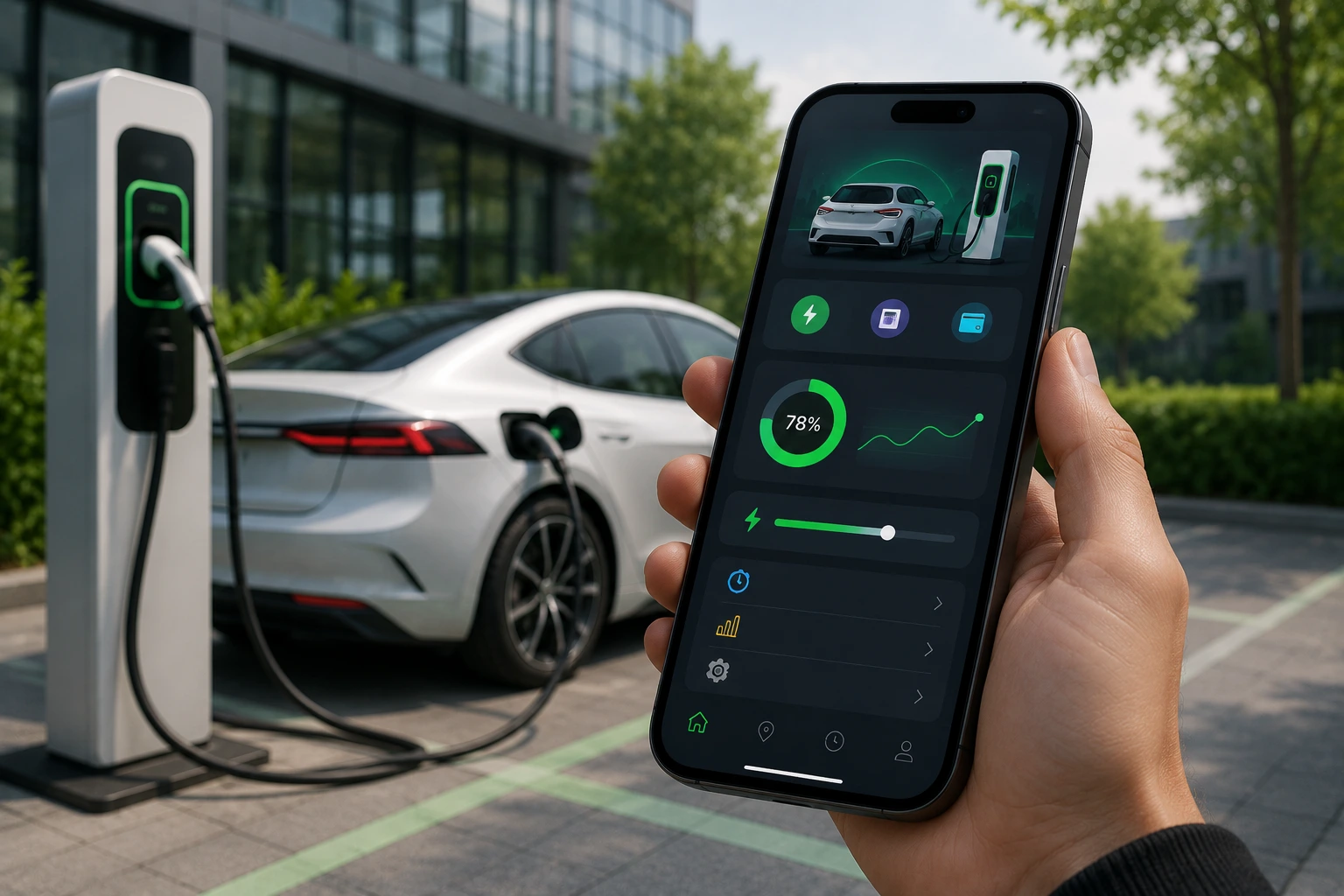
The platform also decides how honest your app looks. Live status, connector type, power rating and tariff all travel from the charger to your phone through this layer.
Live Status That You Can Actually Trust
Wrong availability data wastes fuel, time and patience. A driver who takes a fifteen kilometre detour for an occupied charger loses more than range. That driver loses confidence in electric mobility itself.
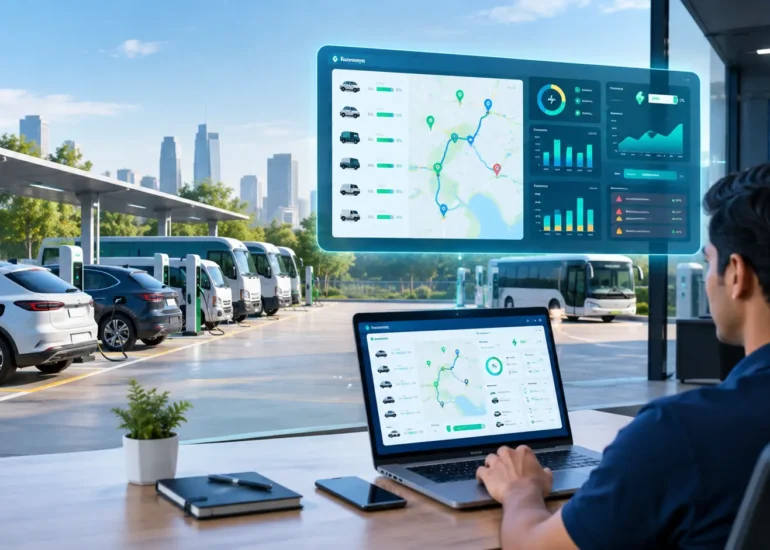
Strong platforms refresh charger status every few seconds. They flag faults the moment a connector stops responding, and they hide broken units instead of showing them as free. Operators receive an instant alert, so a repair crew reaches the site before dozens of drivers arrive to a dead point.
Trust builds slowly here. One accurate map does more for EV adoption than any subsidy announcement.
Payments That Clear Without Follow Up Calls
Payment failure ranks among the top complaints from Indian EV owners. A card gets charged, the session never starts, and the refund takes a week. Sometimes the app blocks a large pre authorised amount and the driver notices only at month end.
Good software settles this cleanly. It reserves a fair amount, meters the exact units you consume, and returns the balance the same day. It also issues a proper invoice with energy units, tariff and taxes, which matters if you claim reimbursement from an employer.
Tap and pay options now let you charge without downloading anything. You walk up, tap your card, and drive away.
Roaming Keeps You From Filling Your Phone With Apps
Most Indian drivers carry four or five charging apps. Each one needs a separate wallet, and money sits trapped across all of them.
Roaming solves this. Through the OCPI standard, one operator connects with partner networks, so a single account opens chargers across many brands. You keep one wallet, one history and one support number. Long drives from Delhi to Jaipur or Bengaluru to Coimbatore become far simpler when you stop worrying about which network owns the next station.
Roaming also helps the country. Every connected charger gets used more, which pushes operators to install more of them.
Smart Charging Protects Your Battery and Your Bill
Charging speed is not always your friend. Constant fast charging heats the pack and shortens battery life over the years. Smart platforms manage this quietly.
Load management spreads available power across active chargers, so a full station does not trip the local transformer. Scheduled charging shifts your session to off peak hours when tariffs drop. Some platforms link with rooftop solar, so your car draws cleaner and cheaper energy during daylight.
For apartment residents, managed access matters even more. The software allots power fairly among neighbours and bills each flat separately, which ends most society disputes about charging.
Support That Answers at Eleven at Night
Chargers fail at inconvenient hours. A helpline that answers only during office time offers no comfort on a highway at midnight.
Mature EV charging solutions pair the platform with round the clock human support. The agent sees your session on the dashboard, restarts the charger remotely, and often resolves the issue in minutes. Remote diagnostics mean a technician arrives with the right part instead of guessing.
This combination of live data and live people separates a serious operator from a weekend project.
Why 2026 Raises the Stakes
Three shifts make software quality urgent this year.
First, EV volumes keep climbing. More drivers now share the same chargers, so queue management and accurate status data carry real weight.
Second, fleets have gone electric at scale. Delivery riders and cab drivers charge multiple times a day, and every failed session costs them earnings. Platforms must handle heavy traffic without slowing down.
Third, buyers compare charging experience before they choose a car. Automakers respond by partnering with networks that run stable technology and honest apps.
Regulators have also tightened expectations around open standards, safe access control and transparent tariffs. Platforms built on closed systems struggle to keep pace.
How to Judge a Charging Network Before You Rely on It
You can test a network in five minutes. Open the app and check whether it shows connector level status rather than a vague station tag. Look for a clear tariff before you start, not after.
Check whether the operator supports chargers from many manufacturers, because vendor independence usually signals a mature backend. Read the support policy and note the response window. Finally, look for roaming partners, since a connected network keeps growing while an isolated one stays stuck.
Ask other owners in your city too. Real user feedback exposes weak platforms faster than any brochure.
One more habit helps. Charge once at a new station during a relaxed weekday before you depend on it for a long trip. You will quickly learn how the network behaves under normal conditions.
The Road Ahead for Indian EV Owners
Charging in India will keep improving, but the improvement will come from code as much as from concrete. Better data, cleaner payments, wider roaming and smarter power sharing turn a stressful errand into a routine stop.
You deserve a charging experience that behaves like a fuel pump: predictable, quick and boring in the best way. Choose networks that invest in their platform, and your ownership years get much easier.
Ready to charge with a network that keeps its promises? Explore the ElectreeFi EV charging app and start your next session with confidence.
Learn more about our EV charging service, see how the charging management platform works behind the scenes, and read our guide on charging solutions in Hyderabad for a city level view.
Frequently Asked Questions
Is EV charging software different from a charging app?
The app is only what you see on your phone. The software is the backend that runs the charger, meters energy, handles payment and reports faults in real time. One cannot work without the other.
Why does my charging session fail even when the app shows the charger free?
Stale status data causes most of these failures. Platforms that refresh charger status every few seconds and flag faults instantly save you from wasted trips and long detours.
Can one app open chargers from different networks in India?
Yes. Networks that support the OCPI roaming standard let you access partner stations with a single account and one wallet.
Does frequent fast charging damage my EV battery?
Regular fast charging adds heat and speeds up pack ageing. Scheduled charging and smart load management protect battery health and also lower your monthly electricity cost.
How long do EV charging refunds take in India?
Well managed platforms release blocked amounts within the same day. Repeated delays usually point to weak payment handling by the operator.