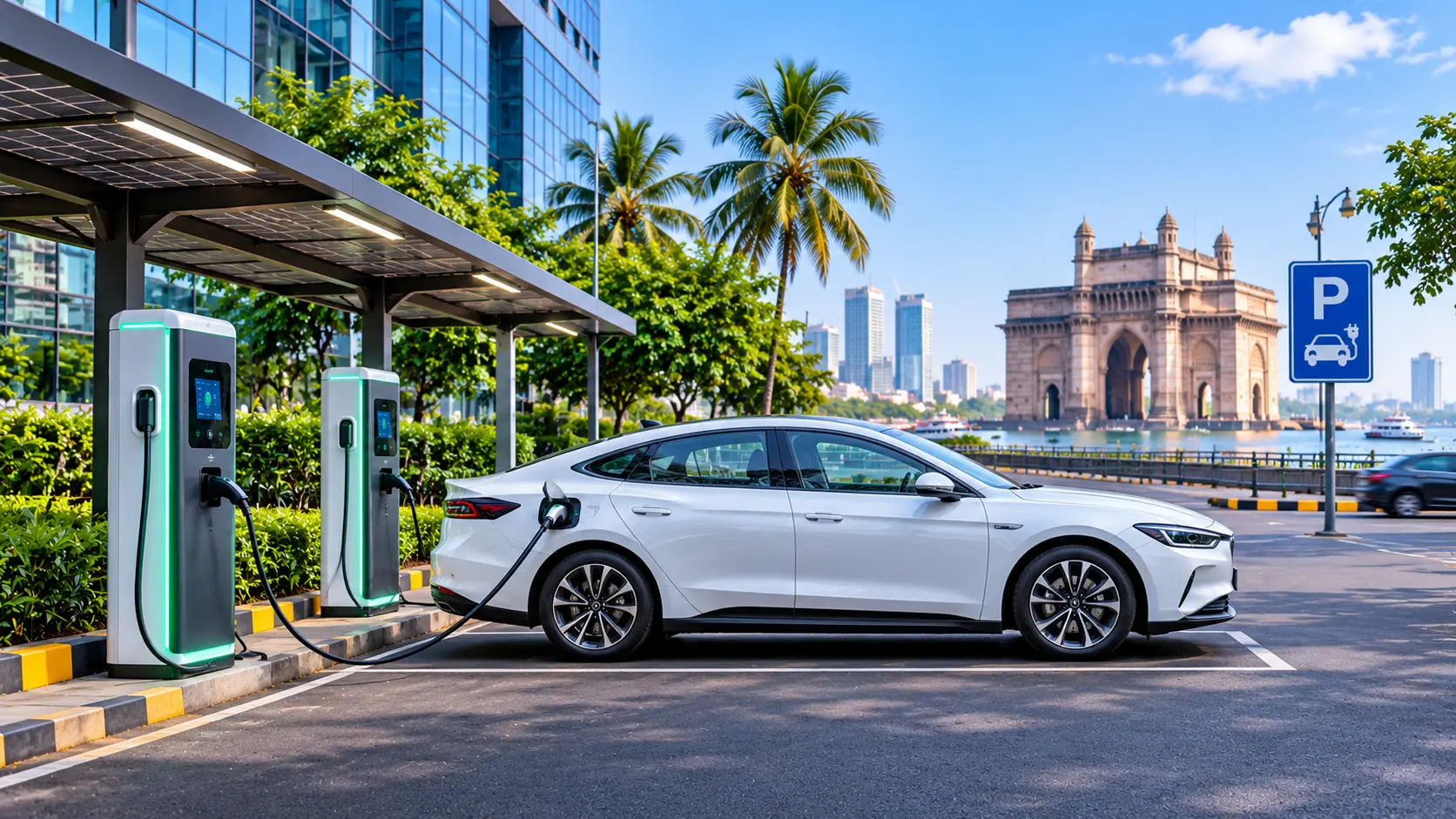
Mumbai drivers are switching to electric fast, yet many still hunt for a working plug. Charge point operators (CPOs) can fix that problem by turning idle parking bays into steady revenue. A well planned EV charging infrastructure for commercial parking Mumbai project brings footfall, repeat users and long term income from the same square footage. This guide walks you through site choice, hardware, power, software and costs so you can launch with fewer surprises.
Why Mumbai Commercial Parking Works for CPOs
Mumbai packs offices, malls, hotels and hospitals into a small area. Drivers park in these places for one to eight hours, and that dwell time suits charging well. An office worker adds useful range during a shift. A mall visitor charges while shopping.
Home charging is hard for many Mumbai residents. Apartment parking is tight, and not every society allows private chargers. Commercial lots fill that gap, and they also serve ride hailing drivers and fleet cars that run all day. That demand makes EV charging infrastructure in parking lots one of the strongest opportunities for CPOs today.
Property owners want chargers too. Tenants and visitors ask for them, and a charging bay signals a modern building. You can pitch a revenue share, a lease or a managed service, and each model works when you show clear numbers. You can also review local charging demand on the EV charging in Mumbai page.
EV Charging Infrastructure for Commercial Parking in Mumbai: Pick the Right Site
Site choice decides your utilization. Start with footfall and dwell time. Business districts such as BKC, Lower Parel, Andheri East and Navi Mumbai offer strong daytime demand. Malls and hotels add evening and weekend use.
Check the basics before you sign. Count the parking bays and note which ones sit close to the electrical room, because a short cable run cuts installation cost. Look at the sanctioned load, the transformer capacity and the space for a dedicated panel. Visit at peak hours to see how cars move.
Talk to the property owner early. Agree on bay allocation, signage, access rules and revenue terms in writing. Clear terms and easy access save months of trouble later.
Choose the Right Charger Mix
Match chargers to the way people park. Slow AC chargers suit offices and long stays. Fast DC chargers suit short stops, taxi fleets and busy retail sites. Most Mumbai sites do well with a blend, and every EV charging infrastructure for commercial parking Mumbai plan should set that blend from real dwell time data, not guesswork.
Pick chargers that follow open standards. OCPP compliant hardware lets you change software later without replacing chargers. Check connector types too, since Indian cars use different ports. Leave conduit and panel space for future bays.
Buy from vendors who offer service support in Mumbai. A cheap charger that sits broken costs more than a good one.
Power and Load: The Backbone of EV Charging Infrastructure
Power is the biggest technical hurdle in dense city parking. A bank of fast chargers can overload a building’s supply. Many sites need a higher sanctioned load, a new meter or a dedicated feeder. Apply early, because utility approvals take time.
Smart load management helps you do more with the same connection. It shares available power across active chargers and lowers the draw during peak hours. This keeps the building safe and your electricity bill under control. Electreefi, which works across more than 105,000 charging points in India, offers smart charging with load management for this exact job, and it supports demand response programmes.
Good EV charging infrastructure also needs proper earthing, surge protection, fire safety and tidy cable management. Hire licensed electrical contractors. Confirm current rules with local authorities and your distribution utility before work begins.
Software, Payments and Driver Experience
Hardware earns nothing without good software. A charging management system lets you monitor chargers, set tariffs, track sessions and bill users. Choose a platform that works with many charger brands, and ask about OCPP 1.6J and 2.0.1 support. The charging management platform page shows what a full system covers.
Payments decide how many drivers finish a session. Offer UPI, card and QR options so every driver can pay in seconds. Roaming support also helps. It lets drivers from other networks use your chargers through one app, which lifts utilization without new spending.
Drivers also want clear signs, working chargers and live status. List your chargers on a mobile app so users can find, start and pay with ease. A smooth experience brings repeat visits, and repeat visits build revenue.
Costs, Permits and Timelines
Budget for the full EV charging infrastructure, not only the chargers. Your costs include hardware, civil work, electrical upgrades, cabling, signage, software and an annual maintenance contract. DC fast chargers cost far more than AC units, and power upgrades can change the total sharply. Get site specific quotes before you commit.
Permits vary by site. Expect building owner approval, an electrical connection or load enhancement, and fire and safety checks. Rules change, so verify the latest requirements with the relevant authorities. Timelines depend mostly on approvals and power work.
Plan returns with care. Utilization, tariff, electricity cost and uptime drive your payback. Many operators see positive cash flow within three to five years, though location, charger type and utilization change that. Parking operators can also explore Park N Charge, a model built for offices and commercial properties.
Keep Chargers Running With Strong Operations
Uptime builds trust. A driver who finds a dead charger rarely returns. Set up preventive maintenance, quick breakdown response and round the clock call support. An annual maintenance contract gives you predictable costs. Remote monitoring spots faults before drivers do, and instant alerts cut downtime.
Review your data every month. Study peak hours, occupancy and revenue per charger. Adjust tariffs and add bays where demand runs high. Consider idle fees so cars do not block bays after charging ends.
Start Your Mumbai Parking Charging Project With Confidence
Success in EV charging infrastructure for commercial parking Mumbai comes from five steps: pick a busy site, choose the right chargers, secure power, run smart software and maintain uptime. Start with a small pilot, measure results and add bays as demand grows.
Ready to plan your site? Explore installation and setup support, or contact the team for a site review and a demo.
Frequently Asked Questions
How much does it cost to set up an EV charging station in India?
Costs depend on charger type, power capacity, civil work and electrical upgrades. AC chargers cost far less than DC fast chargers. Request a site survey and an itemised quote, because load upgrades and cabling often change the budget more than the charger itself.
Is an EV charging station business profitable in India?
It can be when utilization stays healthy. Profit depends on location, tariff, electricity cost and uptime. Many operators reach positive cash flow within three to five years. Sites with long dwell times, such as offices and malls, usually perform better.
What permissions do you need for an EV charging station?
You usually need the property owner’s consent, an electrical connection or load approval from the distribution utility, and fire and safety clearance. Requirements vary by city and site, so confirm current rules with local authorities before you start.
How long does it take to install an EV charging station?
A simple AC setup can go live in a few weeks. Larger DC sites take longer because of power upgrades and approvals. Early utility applications keep your schedule on track.
What is the difference between AC and DC chargers?
AC chargers charge slowly and suit long parking stays. DC chargers deliver power much faster and suit short stops and fleets. Many commercial lots use both.
