Electric vehicles are growing fast across homes, offices, and public parking spaces. As more drivers switch to electric mobility, charging point operators face a new challenge. Managing payments, tracking station performance, and handling thousands of users manually is no longer practical. This is where EV Charging Software steps in as a complete solution for modern charging networks.
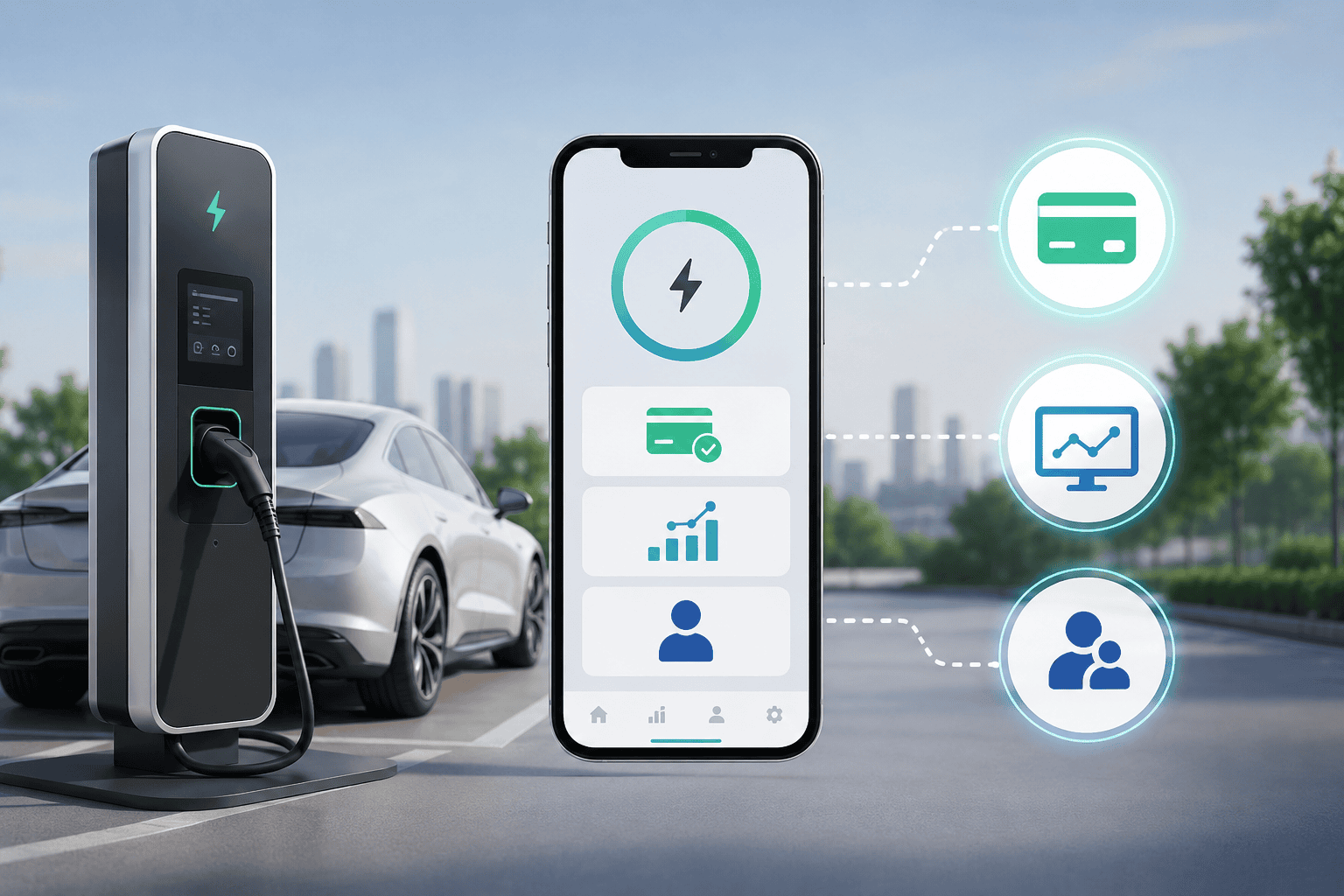
A smart charging platform does more than turn a charger on and off. It connects payments, monitoring, and user management into one seamless system. This blog explains how such software simplifies daily operations for charge point operators, fleet managers, property owners, and individual EV users.
What Is EV Charging Software and Why It Matters
EV Charging Software is a digital platform that manages the entire charging process from start to finish. It handles billing, station health, user access, and reporting through a single dashboard. Operators no longer need separate tools for payment collection, maintenance tracking, or customer support.
The demand for reliable charging management has grown alongside the rise in EV adoption. Charging stations now need to support multiple payment methods, remain online at all times, and serve a growing base of users with different needs. A dedicated software platform makes this possible without adding extra staff or manual work.
Simplifying Payment Processing
Payment handling is often the most complex part of running a charging station. Drivers expect quick, secure, and flexible payment options. A strong charging platform supports multiple payment modes such as mobile wallets, UPI, credit cards, and subscription plans.
Automated billing removes the need for manual invoicing. The system calculates charges based on energy consumed, session duration, or a flat rate, then generates an accurate bill instantly. This reduces billing errors and speeds up the checkout process for drivers.
Operators also benefit from real time settlement tracking. Every transaction gets recorded and reconciled automatically, giving business owners a clear view of daily revenue without manual reporting. This level of transparency builds trust with both station owners and end users.
Real Time Monitoring for Better Reliability
Station downtime leads to frustrated drivers and lost revenue. Real time monitoring solves this by giving operators instant visibility into every charger’s status. If a unit goes offline or develops a fault, the system sends an alert immediately so the issue can be fixed before it affects more users.
Monitoring dashboards display live data such as charging speed, energy output, and connector status. Operators can track performance across multiple locations from a single screen, which saves time compared to checking each station in person.
Predictive maintenance is another advantage of continuous monitoring. By analyzing usage patterns, the software can flag components that may need service soon. This proactive approach reduces unexpected breakdowns and extends the lifespan of charging equipment.
Streamlining User Management
Managing a growing user base by hand becomes difficult once a network expands beyond a few stations. A dedicated platform automates registration, authentication, and access control so operators can focus on service quality instead of paperwork.
Drivers can create accounts, add payment details, and start a charging session within minutes through a mobile app. Role based access lets operators assign different permissions to fleet managers, station staff, and individual users, keeping the system organized and secure.
Usage history and reporting tools give both operators and drivers clear insight into past sessions, energy consumed, and total spending. This data helps businesses plan capacity, adjust pricing, and improve customer satisfaction over time.
Why Businesses Choose EV Charging Solutions Today
Many charge point operators, fleet businesses, and property owners are now adopting ev charging solutions to replace outdated, manual processes. A connected platform reduces operational costs, improves uptime, and creates a smoother experience for every driver who plugs in.
Fleet operators gain the most from centralized management, since they can monitor dozens of vehicles and chargers without visiting each site. Property owners such as malls, offices, and residential communities benefit from automated billing that removes the burden of manual collection. Individual users enjoy faster checkouts, transparent pricing, and reliable access wherever they charge.
Key Benefits at a Glance
Reduced manual work through automated billing and reporting. Higher uptime through real time fault detection and alerts. Better customer experience with fast, secure payment options. Centralized control across multiple stations and locations. Data driven decisions using usage history and analytics.
Choosing the Right Platform for Your Charging Network
Selecting the right software depends on the scale of operations and the type of users being served. Small businesses may only need basic payment and monitoring features, while large fleet operators require advanced load management, roaming support, and multi site dashboards.
Look for a platform that offers strong integration with different charger hardware brands, supports multiple payment gateways, and provides detailed analytics. Customer support availability also matters, since downtime during peak hours can directly affect revenue and driver satisfaction.
ElectreeFi provides a complete platform built around these exact needs, combining payment automation, live monitoring, and user management into one system designed for charge point operators, fleet businesses, and property owners across India.
Final Thoughts
Running a charging network without the right technology creates unnecessary friction for both operators and drivers. Automated payments, real time monitoring, and organized user management work together to create a smoother, more reliable charging experience. As electric mobility continues to expand, investing in a capable platform is no longer optional. It is the foundation for building a charging business that scales efficiently and keeps drivers coming back.
Frequently Asked Questions
What features should I look for in a charging management platform?
Look for automated billing, real time station monitoring, multiple payment options, role based user access, and detailed usage reporting. These features together reduce manual work and improve reliability.
How does automated billing benefit charging station operators?
Automated billing calculates charges instantly based on energy used or session time, removes manual invoicing errors, and speeds up settlements. Operators get accurate records without extra staff involvement.
Can this type of platform support multiple charging stations at once?
Yes, a centralized dashboard lets operators monitor and manage several locations from one screen, track performance, and receive alerts for any station that needs attention.
Is real time monitoring useful for smaller charging networks too?
Absolutely. Even a single station benefits from instant fault alerts and performance tracking, since it prevents downtime and helps maintain a good experience for drivers.
How does user management improve the driver experience?
Drivers get quick account setup, secure payment storage, and easy access to their charging history. This makes every session faster and builds long term trust in the service.