India’s smaller cities are waking up to electric mobility. Jaipur, Lucknow, Indore, Coimbatore, and Nagpur see more electric cars, autos, and delivery vans on their roads every month. Charge point operators who move early can claim the best locations before rivals arrive. Smart EV charging solutions help CPOs turn each new charger into a steady income stream instead of a costly burden. The right software, hardware, and support plan decide whether a station earns well or sits idle. This guide explains how CPOs can plan, build, and run profitable networks in Tier 2 cities.
Why Tier 2 Cities Offer a Big Opening for CPOs
Metro markets feel crowded. Land costs run high, and many operators compete for the same malls and parking lots. Tier 2 cities offer lower rents, friendly local businesses, and far fewer rival networks. Drivers there also travel shorter distances, so daily charging patterns are easy to predict.
Policy support adds more momentum. Several states offer incentives for public chargers and special power tariffs for charging stations. Cab fleets, electric rickshaw owners, and last mile delivery firms also grow fast in these cities. Each group needs reliable ev charging close to its routes.
Electric two wheelers and three wheelers lead adoption in smaller towns. Their owners charge often, run small batteries, and watch the cost of every kilometre. CPOs who offer fair prices and quick payments win loyal customers.
Key Challenges CPOs Face Outside the Metros
Smaller cities bring their own problems. Grid capacity varies from one area to another. A weak connection can slow down charging or trip a charger. Footfall also shifts by the hour, so a station may sit empty at noon and overflow at night.
Mixed hardware creates another headache. Many CPOs buy chargers from different brands over time, and each brand ships its own app and dashboard. Staff then switch between screens, miss alerts, and lose revenue.
Technical support is harder to find in smaller towns. A single faulty connector can keep a charger offline for days. Drivers then lose trust and return to petrol.
Payments add friction too. Drivers expect UPI, cards, and wallets to work at every charger. Manual settlement and cash handling slow down growth.
Core Features of Smarter EV Charging Solutions
A smart platform solves these problems at the software layer. These features matter most.
Hardware independent control. Open standards such as OCPP let one dashboard manage chargers from many manufacturers. You avoid vendor lock in and add new brands without rebuilding your system.
Real time monitoring. Live dashboards show charger status, session data, and revenue. Instant alerts warn your team about faults before drivers complain.
Smart load management. The system shares available power across active chargers and adjusts charging speed to grid conditions. This protects your connection and cuts peak demand costs.
Flexible pricing. Dynamic tariffs let you charge more at busy hours and less at quiet hours. Smart pricing fills idle slots and raises income per charger.
Simple payments. Drivers pay by UPI, card, or wallet, and the session starts on its own. Payments reach the CPO directly, so your team skips manual reconciliation.
Pick Sites That Match Local Driving Habits
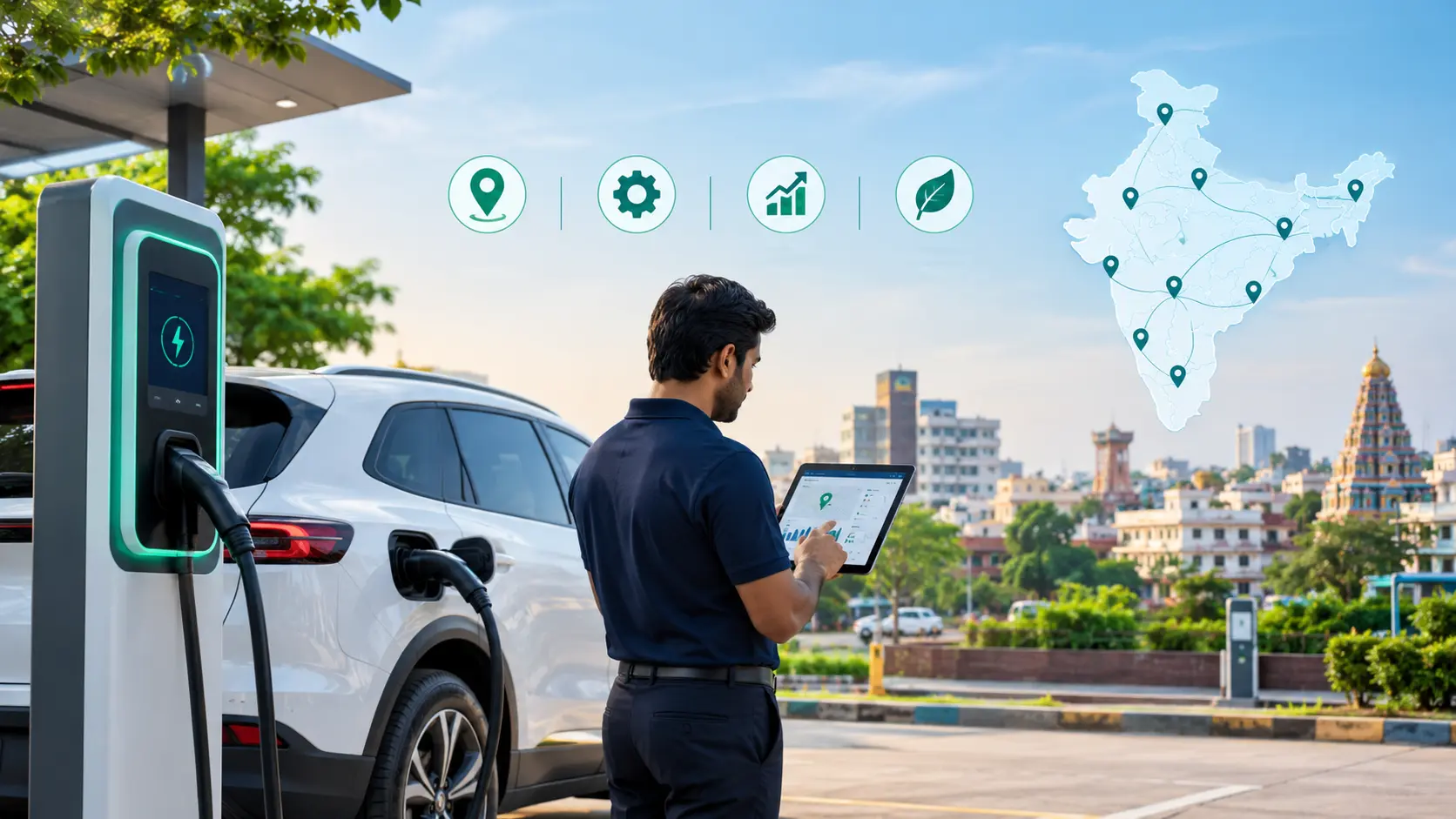
Location decides success more than any feature. Start with data, not guesses. Map where electric vehicles already move in your city. Check cab stands, delivery hubs, office parks, malls, hospitals, and housing societies.
Choose sites with long dwell time. Drivers who park for two hours accept slower AC chargers. Taxi drivers and delivery riders need fast DC chargers near their routes. Highway entry points on the city edge serve intercity travelers well.
Confirm power availability next. Ask the local distribution company about sanctioned load and connection timelines early. Delays here can push a launch back by months.
Finally, partner with property owners. A revenue share or a clear lease gives landlords a reason to say yes. Parking operators, for example, often attract premium tenants and keep visitors longer when chargers sit on site.
Roaming Brings More Drivers to Your Network
Roaming lets drivers use your chargers through other apps. Through OCPI, your network connects with partner networks. A traveler from another city finds your charger on a familiar app and pays with the same method. You gain new users without buying new hardware.
This matters in smaller cities, where local user bases start small. Roaming widens your audience from day one. Drivers also want one app and one payment method for all ev charging in their city, and roaming delivers that.
Reliable EV Charging Support Builds Driver Trust
Uptime defines your reputation. A driver who finds a dead charger rarely returns. Plan maintenance before you launch.
Choose an annual maintenance contract that covers preventive, predictive, and breakdown visits. Preventive checks catch worn cables and loose connections. Predictive alerts from your platform flag unusual power draw or heat spikes. Breakdown teams fix sudden faults fast.
Round the clock call support matters just as much. Drivers call at night, on weekends, and during festivals. A helpline that answers quickly turns a bad moment into loyalty. Train your local staff on basic checks too, so small issues never grow into long outages.
Plan Your Returns Before You Build
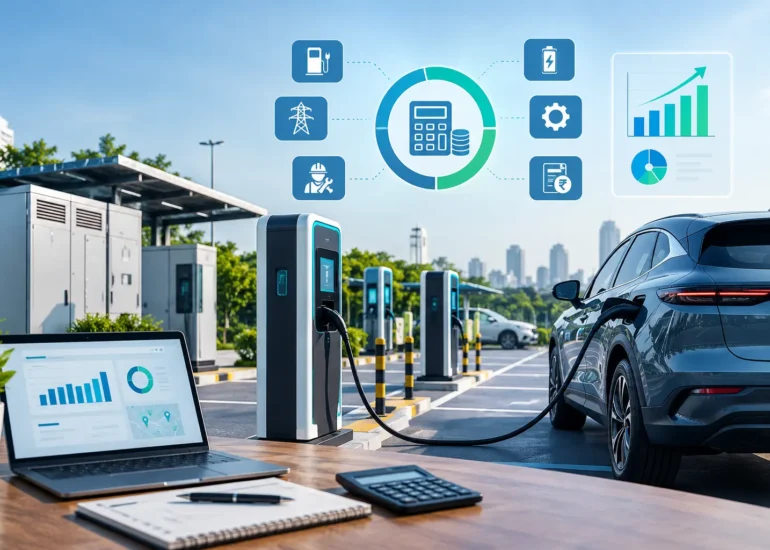
Model your returns before you build any ev charging site. List the cost of each charger, installation, power connection, software fees, and maintenance. Then estimate utilization, tariff, and energy cost.
Returns depend on location, charger type, and how often drivers plug in. Many operators reach positive cash flow within three to five years when they pick sites well and manage load smartly. Review your numbers every month. Reports on occupancy, peak hours, and earnings per charger show which stations deserve expansion and which need a price change.
How a Technology Partner Helps CPOs Grow in Smaller Cities
Electreefi supports CPOs with a cloud platform that works across more than 105,000 charging points in India. The platform connects with 80+ charger manufacturers through OCPP, so operators keep their hardware choices open. It adds smart load management, roaming through OCPI, payment tools, and a driver app. Field teams also handle installation, AMC and CAMC contracts, and 24/7 call support.
CPOs who want dependable ev charging solutions for a new Tier 2 city can start with site selection and ROI modeling. Then they can scale one city at a time.
A Simple Plan to Launch Your First Station
Follow these steps to launch with confidence.
- Study local electric vehicle demand and shortlist two or three strong sites.
- Check grid capacity and sanctioned load at each site.
- Select open standard chargers and a platform that supports many brands.
- Set pricing rules and enable UPI, card, and wallet payments.
- Sign a maintenance contract with round the clock support.
- Launch, review data every week, and adjust prices and load limits.
Small, steady steps reduce risk and build proof for your next city.
Final Thoughts
Tier 2 cities reward operators who plan with data and run lean. Smart ev charging solutions keep costs low, chargers busy, and drivers happy. Choose strong sites, pick open standards, and protect uptime from day one. Then expand as demand grows. Talk to a platform partner today and map your first Tier 2 launch.
Frequently Asked Questions
How much does it cost to set up a charging station in India?
Costs depend on charger type, power connection, and site work. DC fast chargers cost much more than AC chargers. Software and installation fees add to the total. Collect quotes from several vendors and model your returns before you commit.
Is a charging station business profitable in India?
Yes, when site choice, pricing, and utilization work together. Operators who pick busy locations and manage load well often reach positive cash flow within three to five years.
What is OCPP in charging stations?
OCPP stands for Open Charge Point Protocol. It lets chargers talk to a management platform. It also lets operators mix brands without vendor lock in.
How can CPOs earn more from each charger?
Use dynamic pricing, roaming, and smart load management. Choose high traffic sites and keep uptime strong. Quick payments also bring drivers back.
Do CPOs need a license to open a public charging station?
Central guidelines treat charging as a service, so no separate license applies. You still must meet safety, technical, and grid rules. Confirm local steps with your distribution company and state nodal agency.