The rapid rise of electric vehicles (EVs) in India is transforming mobility, but it is also putting unprecedented pressure on the power grid. As charging demand grows, businesses and charge point operators must adopt smarter, more efficient energy management systems. This is where open automated demand response services play a critical role.
Open Automated Demand Response (OpenADR) is not just a technology—it is a strategic approach to managing electricity demand intelligently. By enabling real-time communication between utilities and EV charging systems, OpenADR ensures efficient energy distribution, cost control, and grid stability.
Understanding OpenADR in EV Charging
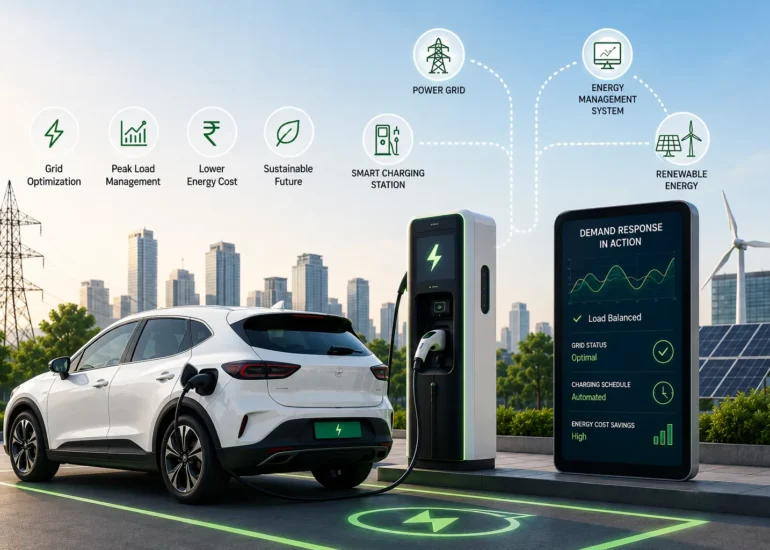
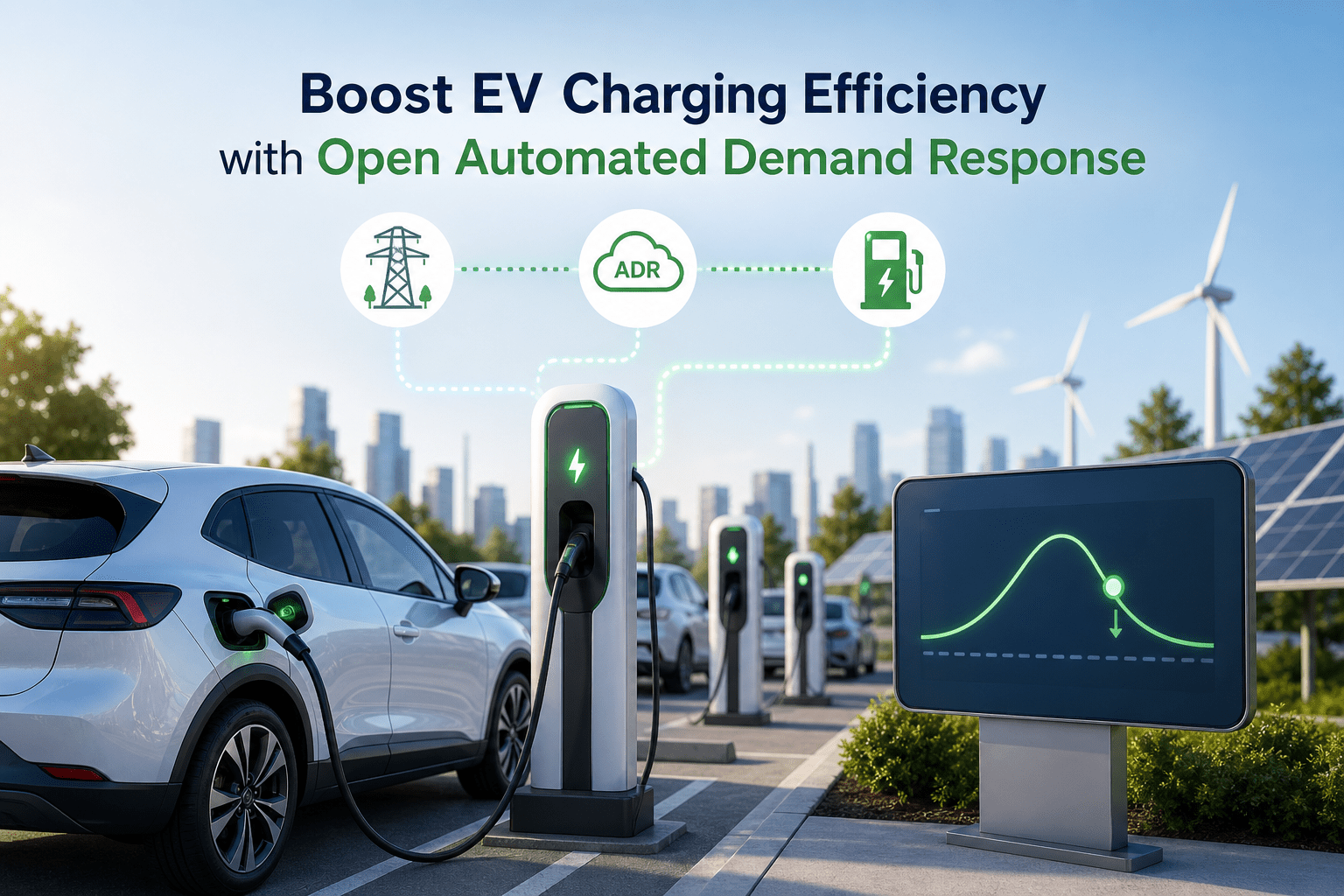
OpenADR is an open-standard communication protocol that allows utilities to send signals to connected systems to adjust energy consumption automatically. In the context of EV charging, this means:
- Charging loads can be reduced during peak hours.
- Energy usage can shift to off-peak periods.
- Renewable energy sources can be utilized more effectively.
This dynamic interaction helps create a balanced ecosystem where EV charging does not overwhelm the grid. According to industry insights, OpenADR improves grid stability and enables scalable energy management as EV adoption increases.
Why EV Charging Needs Demand Response
India’s EV market is expanding rapidly, with millions of vehicles expected to hit the roads in the coming years. This surge creates several challenges:
- High peak electricity demand
- Rising operational costs for charging networks
- Risk of grid overload in urban areas
- Inefficient energy utilization
Without intelligent demand management, EV infrastructure can become unreliable and expensive. OpenADR addresses these issues by automating how and when energy is consumed.
How OpenADR Boosts Charging Efficiency
-
Smart Load Management
OpenADR enables charging stations to automatically adjust power consumption based on grid conditions. When demand is high, charging slows down or redistributes across stations. When demand is low, charging speeds increase.
-
Cost Optimization
Electricity tariffs often vary throughout the day. OpenADR shifts charging to lower-cost periods, reducing operational expenses for businesses and fleet operators.
-
Grid Stability
By balancing supply and demand in real time, OpenADR prevents grid stress and minimizes outages. This is crucial in regions where infrastructure is still evolving.
-
Renewable Energy Integration
OpenADR allows charging systems to align with renewable energy availability, such as solar or wind power. This improves sustainability and reduces carbon impact.
-
Scalability for Future Growth
As EV adoption increases, OpenADR ensures that charging networks can scale without compromising performance or efficiency.
The Role of OpenADR in India’s EV Ecosystem
India is at a critical stage in its EV journey. Government initiatives, infrastructure investments, and rising consumer demand are accelerating adoption. However, the grid must evolve alongside this growth.
OpenADR provides a future-ready solution by:
- Supporting standardized communication across systems
- Enabling interoperability between different charging networks
- Enhancing transparency in energy usage
- Improving reliability for end users
These benefits make OpenADR a key enabler for businesses exploring OpenADR solutions in India.
Building a Smarter Charging Network
To fully leverage OpenADR, EV charging operators need an intelligent backend system that can:
- Monitor charging activity in real time.
- Respond instantly to grid signals.
- Optimize load distribution across multiple stations.
- Provide data-driven insights for better decision-making.
ElectreeFi delivers a smart, IoT-enabled EV charging management platform that integrates seamlessly with OpenADR protocols. The platform allows operators to automate load balancing, manage energy usage efficiently, and future-proof their infrastructure with scalable solutions.
Real-World Impact of OpenADR
Businesses adopting OpenADR-enabled charging solutions experience measurable improvements:
- Reduced energy costs through smart scheduling
- Increased uptime and reliability of charging stations
- Better user experience with faster and optimized charging
- Lower carbon footprint through efficient energy use
For fleet operators, commercial hubs, and public charging networks, these benefits translate directly into higher profitability and sustainability.
Why Now Is the Right Time to Adopt OpenADR
The transition to electric mobility is accelerating faster than ever. Waiting to optimize energy management can lead to higher costs and operational challenges.
Adopting OpenADR today ensures:
- Competitive advantage in the EV market
- Long-term cost savings
- Compliance with emerging energy regulations
- Readiness for future grid innovations
Conclusion
Efficient EV charging is no longer optional—it is essential for sustainable growth. OpenADR transforms how energy is consumed, making charging smarter, more reliable, and cost-effective.
As India moves toward a cleaner mobility future, integrating demand response technologies will be the foundation of scalable EV infrastructure. Businesses that invest in OpenADR today will lead tomorrow’s energy-efficient ecosystem.
FAQs
-
What is Open Automated Demand Response (OpenADR)?
OpenADR is a communication standard that allows utilities to send signals to connected systems to automatically adjust electricity usage based on grid conditions.
-
How does OpenADR improve EV charging efficiency?
It optimizes charging schedules, reduces peak load, and shifts energy consumption to off-peak hours, ensuring better performance and lower costs.
-
Is OpenADR suitable for commercial EV charging networks?
Yes, it is highly beneficial for commercial setups, fleet operators, and public charging stations as it improves scalability and cost efficiency.
-
Can OpenADR integrate with renewable energy sources?
Yes, OpenADR enables charging systems to align with renewable energy availability, making EV charging more sustainable.
-
Why should businesses in India adopt OpenADR?
With increasing EV adoption and grid demand, OpenADR helps businesses reduce costs, improve efficiency, and ensure reliable charging operations.