Electric vehicles are becoming a practical choice for Indian drivers who want to reduce fuel expenses and make daily travel more sustainable. However, many EV owners still have one important question: Is charging an electric vehicle free in India, or do public charging stations charge for every unit of electricity?
The answer depends on the charging location, service provider, electricity tariff, and charging network. Some locations offer free charging as a promotional benefit, while most commercial stations charge users based on energy consumption, time, or a combination of both.
In 2026, understanding EV charging costs can help you plan journeys, compare charging options, and manage your monthly transportation budget. This guide explains public charging prices, home charging expenses, billing methods, and practical ways to reduce your charging costs.
Is EV Charging Free in India in 2026?
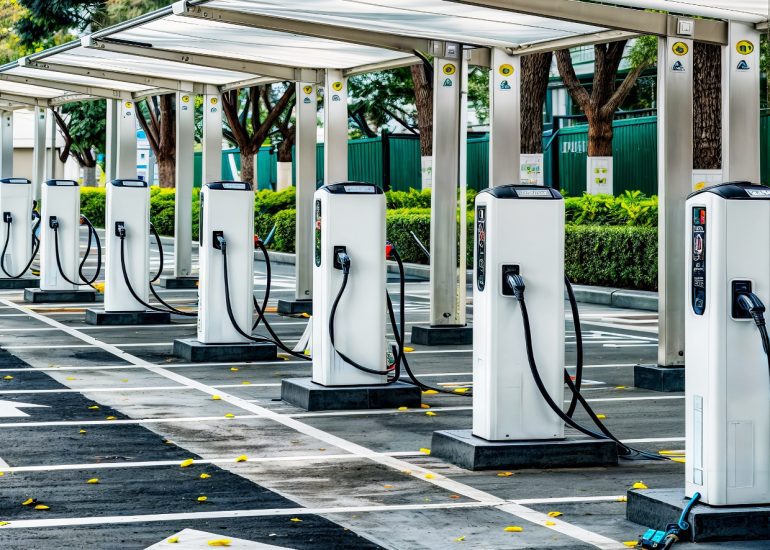
No, public charging is not generally free across India. Some shopping malls, hotels, workplaces, residential communities, and commercial establishments may offer complimentary charging to customers or employees. However, these offers usually come with specific conditions.
Public charging operators typically charge for the electricity you use, along with applicable service fees and taxes. The final amount depends on the charger’s power rating, local electricity costs, operating expenses, and the operator’s pricing policy.
For example, a shopping centre might provide free charging for a limited period to encourage customers to visit. A highway charging station, on the other hand, may charge a commercial rate because it provides faster charging and supports long-distance travel.
Before plugging in, check the displayed tariff, minimum billing amount, parking fees, and any time-based charges. Never assume a charging point is free simply because it appears on an EV charging map.
Public EV Charging Cost per kWh in India in 2026
The cost of public charging varies across states, cities, operators, and charging speeds. The following figures provide illustrative planning estimates, not verified national tariffs or guaranteed prices at individual stations.
| Charging option | Indicative energy price |
|---|---|
| Free promotional charging | ₹0 per kWh |
| AC public charging | ₹8–₹15 per kWh |
| DC fast charging | ₹15–₹25 per kWh |
| Premium or high-power charging | ₹20–₹30+ per kWh |
Actual prices may fall outside these ranges. Some stations also apply platform fees, parking charges, or taxes. Check the current tariff in the charging app or at the station before starting a session.
What Does 1 kWh Mean for EV Owners?
One kilowatt-hour (kWh) measures the amount of electrical energy consumed. It represents the energy delivered by a 1,000-watt device operating for one hour.
For EV owners, the number of kilometres you can drive using 1 kWh depends on vehicle efficiency, battery condition, driving speed, traffic, weather, and air conditioning.
For example, an electric car that consumes 0.15 kWh per kilometre uses approximately 15 kWh to cover 100 kilometres. At an illustrative charging rate of ₹18 per kWh, the energy cost would be ₹270 before additional fees or charging losses.
This simple calculation helps you estimate the cost of daily commuting and longer journeys.
How Much Does It Cost to Charge an Electric Car?
Your charging bill depends on the energy you add to the battery, not simply the battery’s advertised capacity. If you charge a 40 kWh battery from 20% to 80%, you add approximately 24 kWh before accounting for charging losses.
Here is an example of the energy cost for adding 24 kWh at different illustrative tariffs.
| Price per kWh | Cost for 24 kWh |
|---|---|
| ₹8 | ₹192 |
| ₹12 | ₹288 |
| ₹18 | ₹432 |
| ₹22 | ₹528 |
| ₹25 | ₹600 |
These calculations exclude extra fees and assume the stated tariff applies to every unit billed. The electricity drawn from the grid can exceed the energy stored in the battery because charging involves energy losses.
If your car supports DC fast charging, you may pay more per unit than you would at an AC charger. However, faster charging can save valuable time during highway trips.
Home Charging vs Public Charging: Which Costs Less?
Home charging often costs less than commercial public charging because residential electricity tariffs may be lower than public charging prices. However, the actual difference depends on your local electricity tariff, household consumption slab, charging equipment, and applicable additional charges.
Consider an electric car that uses 15 kWh to travel 100 kilometres.
| Charging method | Illustrative rate | Energy cost per 100 km |
|---|---|---|
| Home charging | ₹7 per kWh | ₹105 |
| Public AC charging | ₹12 per kWh | ₹180 |
| Public DC charging | ₹20 per kWh | ₹300 |
These examples exclude charging losses and additional fees. Your actual expenses will depend on local rates and vehicle efficiency.
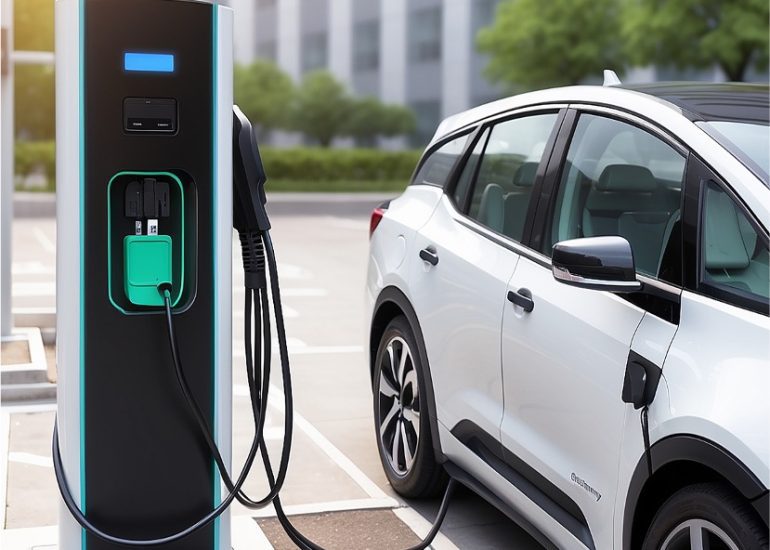
Home charging works well for overnight charging when you have a suitable parking space and an approved electrical installation. Public charging provides flexibility when you travel longer distances, live in a property without private parking, or need to recharge away from home.
The most practical strategy is to use affordable home or workplace charging when available and reserve public fast charging for situations where speed and convenience matter most.
AC vs DC EV Charger: Does Charging Speed Affect the Price?
Yes, charging speed can affect the amount you pay. An AC charger supplies alternating current, which your vehicle converts into the form needed by its battery. A DC charger supplies direct current to the vehicle’s battery system, allowing compatible vehicles to charge more quickly.
AC Charging
AC charging suits homes, offices, hotels, and parking facilities where vehicles remain parked for longer periods. It generally offers a lower public charging price than many DC fast-charging services.
Its main advantage is convenience during activities that already require parking time, such as working, shopping, or staying overnight.
DC Fast Charging
DC fast charging suits highway stops, long journeys, and situations where you need to restore battery range quickly. These stations often cost more because they require higher-power equipment, suitable electrical infrastructure, and greater operating investment.
Your vehicle also determines the charging speed. A high-power station cannot make a vehicle charge beyond its supported limits.
When comparing prices, consider both the cost per kWh and the time required to charge. A slightly more expensive station may offer better value when reaching your destination quickly matters.
What Factors Affect Public EV Charging Prices in India?
Several factors influence the amount you pay at a public charging station.
1. State electricity tariffs: Electricity costs and applicable regulations differ across states and distribution areas. These differences can affect the operator’s operating costs.
2. Charger capacity: Higher-power charging equipment can support faster charging but may involve greater infrastructure and maintenance expenses.
3. Charging network fees: Operators may include platform fees, session charges, or other service costs in the final bill.
4. Location: Stations on major highways, in commercial areas, or at premium destinations may use different pricing models from those in residential areas.
5. Parking and idle fees: Some locations charge for parking or for leaving a vehicle connected after charging finishes.
6. Promotions and memberships: A network may offer discounted charging, prepaid plans, or promotional benefits to eligible users.
7. Vehicle efficiency: Two vehicles can use different amounts of electricity to travel the same distance. A more efficient vehicle can reduce your overall charging expenses even when both drivers pay the same price per unit.
Always review the complete session price rather than comparing only the advertised energy rate.
How to Find Affordable Public EV Charging Stations
You can reduce charging expenses by planning where and when you recharge.
- Compare tariffs before charging: Check the current per-kWh rate and any additional fees in the operator’s app.
- Choose AC charging when time allows: Use slower charging while you work, shop, or stay overnight.
- Use fast charging strategically: Reserve DC charging for long journeys or situations where you need to save time.
- Check free charging conditions: Confirm whether complimentary charging requires a purchase, membership, registration, or limited parking duration.
- Plan highway stops in advance: Choose stations that match your vehicle’s connector, charging capacity, and expected driving range.
- Avoid unnecessary idle fees: Move your vehicle promptly after charging finishes.
- Track energy consumption: Compare the electricity you use with the kilometres you travel to understand your real running costs.
For a more accurate estimate, divide your total charging expense by the distance covered. This gives you a practical cost-per-kilometre figure that you can compare with petrol or diesel expenses.
How EV Charging Networks Make Charging Easier
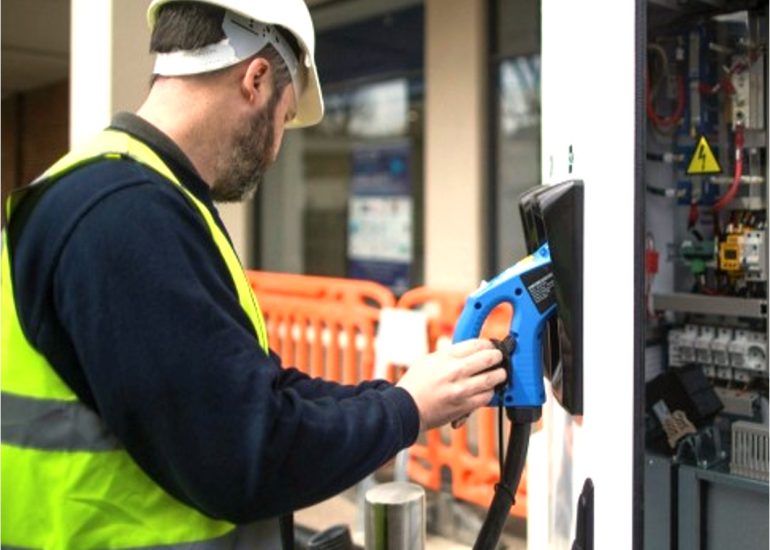
A reliable charging experience involves more than installing charging equipment. Drivers need accurate station information, clear tariffs, convenient payments, session visibility, and dependable access to compatible charging points.
Digital charging platforms can help operators manage charging infrastructure and help users interact with connected charging services. Features such as station discovery, digital payments, and charging-session information can make public charging easier to manage.
Before selecting a station, check whether it supports your vehicle, displays its pricing clearly, and provides a convenient payment process. These simple checks can prevent unexpected costs and unnecessary delays.
For drivers who want to understand the technology behind connected charging, Electreefi provides EV charging solutions and software services for the electric mobility ecosystem. Explore its offerings to learn how charging networks support a more convenient EV ownership experience.
Is Public EV Charging Worth the Cost in 2026?
Public charging can offer good value when you choose the right station for your journey. Home charging may provide lower running costs for regular commuters, while public AC and DC stations add flexibility for people who travel frequently or cannot charge privately.
The key is to compare the total cost, charging time, station location, and vehicle compatibility before starting a session. Even a small difference in energy efficiency or tariff can add up over thousands of kilometres.
India’s charging infrastructure continues to develop, but prices and service availability remain location-specific. Check live station details rather than relying on old price lists or assuming that every public charger follows the same tariff.
With a little planning, you can estimate your expenses more accurately, choose suitable charging locations, and make informed decisions about everyday travel and long-distance trips.
Final Thoughts
Public EV charging in India is not universally free in 2026. Some establishments offer complimentary charging, but most commercial stations charge according to their tariffs and service policies. AC charging may cost less per unit, while DC fast charging can offer greater convenience when time matters.
Compare current prices, understand your vehicle’s energy consumption, and check for additional fees before charging. By combining affordable charging options with thoughtful route planning, you can keep your EV running costs under control and enjoy a more predictable ownership experience.
Frequently Asked Questions
Is EV charging free at malls and shopping centres in India?
Some malls and shopping centres offer free charging as a customer benefit, but others charge per unit or apply parking fees. Check the station’s current tariff and any promotional conditions before connecting your vehicle.
What is the average public EV charging cost per kWh in 2026?
Public charging prices vary by location and operator. As a planning estimate, AC charging may cost ₹8–₹15 per kWh, while DC fast charging may cost ₹15–₹25 per kWh or more. Always confirm the current price.
Is home charging cheaper than public charging?
Home charging often costs less because residential electricity tariffs can be lower than public charging prices. Your final cost depends on your local tariff, energy consumption, and charging losses.
How can I find a compatible EV charger near me?
Use a charging network’s app or station locator to check nearby locations, connector types, availability, and prices. Confirm compatibility with your vehicle before travelling.
Does fast charging increase EV running costs?
Fast charging often carries a higher price per unit than home charging. However, it saves time on long journeys. Compare the tariff, charging speed, and additional fees before selecting a station.
Important: The charging prices in this article are estimates, not fixed national rates. For official guidance, consult the Ministry of Power and the e-AMRIT public charging calculator.