The commercial mobility landscape is undergoing a profound transformation as businesses adopt cleaner, smarter, and more efficient transport solutions. One of the most impactful shifts is the move from traditional fuel-based vehicles to electric vehicles (EVs) not just for passenger use but for commercial fleets as well. This sweeping transition has sparked the rise of electric vehicle fleet management as a pivotal discipline for modern mobility. By leveraging advanced technology platforms that monitor, optimize, and automate fleet activities, businesses can reduce costs, improve operational efficiency, and align with sustainability goals. A powerful example of this evolution is the suite of intelligent solutions offered by Electreefi, which helps fleet operators manage, track, and optimize EV operations with precision and ease.
The Commercial Imperative: Why EVs Are More Than a Trend
Electric vehicles are no longer a futuristic concept they are mainstream tools powering logistics companies, delivery providers, ride-hailing services, corporate vehicle pools, and urban mobility programs. The appeal is straightforward: EVs significantly reduce fuel costs and carbon emissions while offering a quieter, smoother ride with fewer moving parts to maintain. However, transitioning commercial fleets to electric also introduces unique challenges that traditional management systems are not equipped to handle. Unlike internal combustion engine (ICE) vehicles, EVs must be managed differently especially in areas like battery health, charging infrastructure, route planning, and energy optimization. This is where electric vehicle fleet management becomes indispensable.
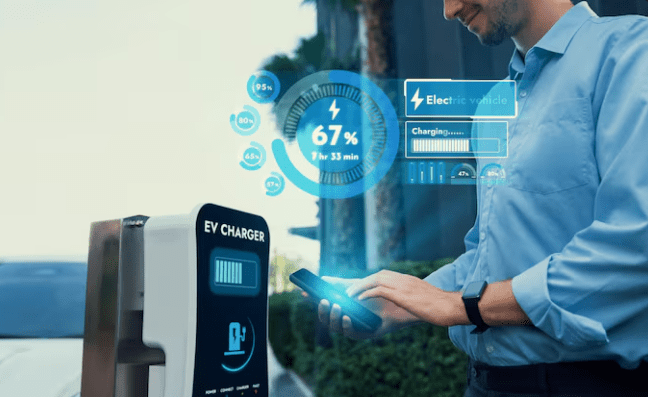
Electric vehicles present unique operational criteria: scheduled charging instead of refueling, real-time monitoring of battery states, and careful route planning to prevent range shortfalls between trips. The complexities of these requirements make manual oversight inefficient at best and risky at worst for businesses that depend on reliable mobility. Without an integrated management framework, fleet operators can struggle to maintain uptime, balance charging loads, and capitalize on the full benefits of EV adoption.
What Electric Vehicle Fleet Management Entails
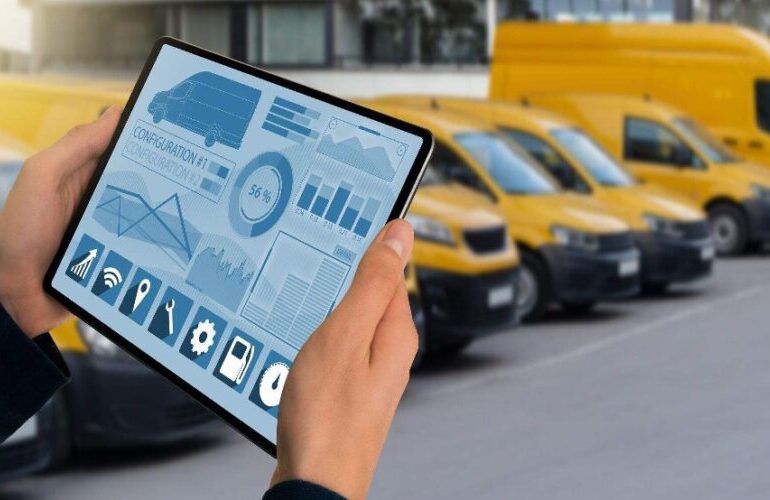
At its core, electric vehicle fleet management is a digital system that brings together vehicle tracking, charging scheduling, driver oversight, and performance analytics into a centralised dashboard. It acts as the command centre for fleet operations, ensuring each vehicle in a fleet is ready when needed and operating at peak efficiency. In contrast to legacy fleet tools that focus mainly on fuel and mileage, next-generation management platforms emphasise energy monitoring battery levels, scheduling smart charging, and optimizing routes based on range and charger availability.
Electreefi’s EV Fleet Management platform exemplifies this approach. Built for modern electric fleet operators, the system offers features such as real-time vehicle tracking, digital trip logs, driver and compliance oversight, geo-fencing, automated invoicing, and multiple depot management all designed to streamline operations and ensure efficient utilisation of resources.
Key Advantages of EV Fleet Management for Businesses
- Operational Efficiency and Cost Savings
Electric fleet management helps businesses cut operating costs by intelligently planning when and where EVs charge, reducing idle times, and optimizing route assignments. By automating key processes like scheduling, driver allocation, and charging logistics, fleet managers can focus on strategic decision-making rather than daily firefighting. This results in reduced total cost of ownership and greater predictability in budget planning.
- Real-Time Visibility and Control
Modern fleet systems provide live insights into vehicle location, battery status, trip history, and more. This transparency allows operators to plan proactively reallocating vehicles based on demand, sending alerts about potential issues, and ensuring compliance with delivery or service schedules. The result is smoother, more predictable operations with fewer surprises on the road.
- Enhanced Safety and Compliance
Fleet management platforms help monitor driver behaviour, enforce safety protocols, and ensure compliance with regulatory requirements such as insurance renewals, registrations, and maintenance schedules. Features like geo-fencing enhance operational control by triggering alerts when vehicles deviate from assigned zones, reducing risk and increasing accountability.
- Sustainability and Corporate Responsibility
Electric vehicles themselves contribute significantly to emission reductions and environmental responsibility. However, EV fleet management further amplifies sustainability impact by optimising energy consumption and reducing unnecessary usage. This alignment with environmental, social, and governance (ESG) goals bolsters a company’s reputation and supports broader climate initiatives a key differentiator for modern organisations in competitive markets.
- Scalability and Future-Readiness
As businesses grow, their mobility requirements become more complex. EV fleet management platforms are built to scale whether for 10 vehicles or 1,000 providing centralised oversight and the flexibility to add new assets, locations, or services without overhauling existing systems. This scalability prepares organisations for future growth and technological evolution.
Transforming Commercial Mobility
The integration of electric fleet management into commercial operations is more than a back-office upgrade it represents a shift in business strategy. Forward-thinking companies are using intelligent tools to improve reliability, enhance customer service, and differentiate themselves in crowded markets. With features such as real-time telemetry, automated billing, driver performance analytics, and deployment optimisation, businesses are turning potential operational hurdles into competitive advantages.
Furthermore, as demand for greener logistics solutions increases, companies with robust EV fleet management capabilities will be better positioned to attract environmentally-minded customers and partners. This trend is not limited to one region or industry from delivery services to corporate fleets and shared mobility networks, electric fleet management is becoming a standard practice for organisations that seek efficiency, resilience, and sustainability.
Conclusion: Charting a Smarter, Greener Fleet Future
Electric vehicles are rapidly becoming the backbone of commercial mobility, but the promise of cleaner, cheaper transport is only fully realized with proper management. Electric vehicle fleet management provides the visibility, automation, and analytical insight required to run large-scale electric operations reliably and cost-effectively. Platforms like Electreefi are at the forefront of this transformation, offering comprehensive systems that help businesses navigate the complexities of EV operations and unlock the full value of electrified fleets. As organisations embrace the electrification of mobility, fleet management will remain an essential driver of operational success powering an era of smarter, greener, and more sustainable transportation.
Frequently Asked Questions
What is electric vehicle fleet management?
Electric vehicle fleet management is a digital system that centralises oversight of EV operations tracking vehicles, managing charging schedules, planning routes, and monitoring performance to enhance efficiency and reduce costs.
How does fleet management improve operational efficiency?
By automating tasks such as charging optimisation, route planning, and driver allocation, fleet management systems reduce downtime, optimise resource usage, and improve schedule reliability.
Can electric fleet management help with sustainability goals?
Yes by optimising energy usage, reducing idle time, and minimizing emissions, electric fleet management supports corporate sustainability objectives and reduces overall environmental impact.
What features should businesses look for in an EV fleet management platform?
Key features include real-time tracking, driver management, geo-fencing, automated invoicing, multi-hub oversight, and data-driven insights for performance optimisation.
Is electric fleet management suitable for small and large fleets?
Yes modern platforms are scalable and can support small, medium, and enterprise-level fleets, adapting to the needs of businesses as they grow.